
Top 10 Grapefruit Extract Candida Products for Global Buyers

Time:2026-10-16 Author:Henry
0%

Grapefruit Extract Candida products attract global buyers seeking botanical options for wellness and microbiome support. However, product quality varies sharply across markets. Extract strength, botanical identity, solvent choice, and testing methods can differ between suppliers. This guide examines ten notable products through a practical purchasing lens. It focuses on ingredient transparency, manufacturing controls, independent testing, packaging, and international documentation.

Dr. Mahmoud Ghannoum, a leading mycologist and microbiome researcher, has stated, “Candida is part of our normal microbiome, but it can cause infection when conditions change.” His observation matters here. Grapefruit Extract Candida products should not be presented as proven treatments or substitutes for medical care. Evidence for grapefruit-derived extracts remains mixed, and laboratory findings do not automatically predict human results. That distinction is easy to miss.

For global buyers, small details deserve attention. A reliable label should identify Citrus paradisi, extract ratio, active-marker testing, batch number, expiry date, and allergen information. Certificates of analysis should come from credible laboratories. Buyers should also check heavy metals, microbes, pesticides, and possible adulterants. Some grapefruit products may affect medicines, depending on their composition. Professional advice is sensible before use.

The ranking is not absolute. A product with attractive packaging may lack meaningful evidence. Another may offer stronger documentation but limited regional availability. That is the imperfect reality of this category. Readers should compare claims carefully, question vague “natural cure” language, and confirm local import requirements before purchasing.
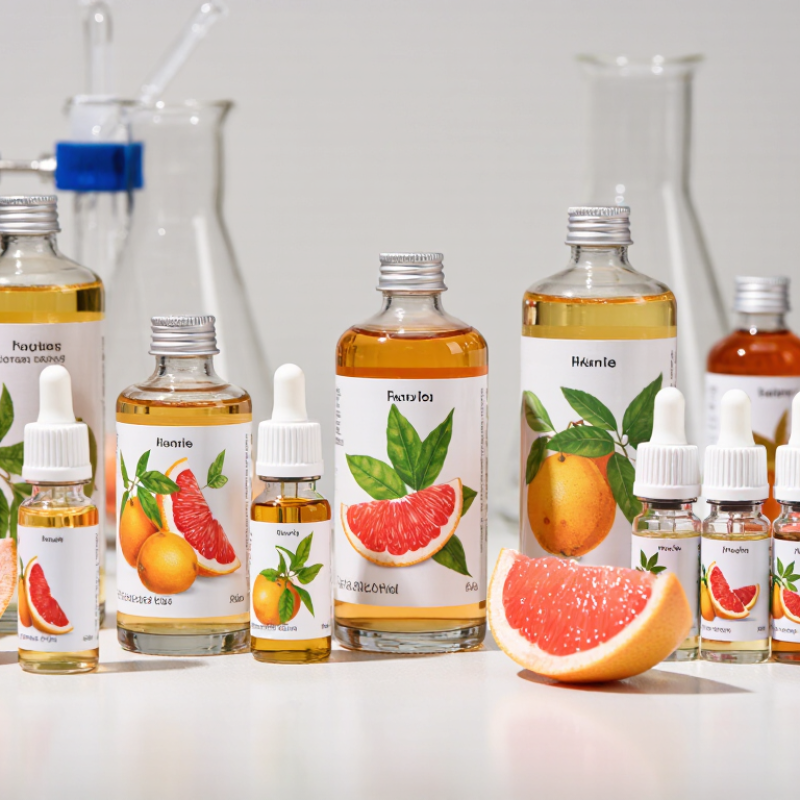
Top 10 Grapefruit Extract Candida Products for Global Buyers

What Is Grapefruit Extract and How Is It Linked to Candida?

Grapefruit extract is made from grapefruit seeds, pulp, or peel. It contains flavonoids, limonoids, and other plant compounds. Many suppliers promote it as a natural antimicrobial ingredient. Laboratory studies have reported activity against Candida species, especially in test-tube conditions. However, laboratory results do not prove that oral supplements can treat human infections.

The evidence is thinner than many product pages suggest. Candida normally lives on skin and in the digestive tract without causing illness. Problems may develop when immunity, antibiotics, or medical conditions disturb this balance. The CDC estimates about 25,000 cases of invasive candidiasis occur annually in the United States. The WHO 2022 Fungal Priority Pathogens List also places Candida auris in the critical-priority group. These figures show why clinical accuracy matters.

Grapefruit extract is not a substitute for diagnosis or prescribed antifungal therapy. Product strength can vary sharply between batches. Contamination and undisclosed additives remain practical concerns. Grapefruit compounds may also affect medicines processed by CYP3A4 enzymes, according to FDA safety guidance. The interaction risk depends on the extract, dose, and medication. More human trials are needed. That gap deserves attention. Global buyers should examine certificates of analysis, botanical identification, contaminant testing, and clinical evidence before evaluating Candida-related products.

Criteria for Evaluating Grapefruit Extract Candida Products

Top 10 Grapefruit Extract Candida Products for Global Buyers

Criteria for Evaluating Grapefruit Extract Candida Products

A credible evaluation starts with the label, not the product ranking. Check the exact grapefruit extract amount, plant part, extraction method, and serving size. Vague terms such as “advanced complex” deserve careful questions. Look for batch numbers, expiry dates, storage instructions, and clear allergen statements. Third-party testing can verify identity, purity, and possible contamination. It does not prove that the product treats Candida infections.

Evidence matters. A responsible supplier should explain whether its claims come from laboratory studies, animal research, or human trials. These sources are not interchangeable. Ask for certificates of analysis from an independent laboratory. Review testing methods and laboratory dates. Good documentation should be easy to obtain. That is a useful sign.

Safety needs equal attention. Grapefruit compounds may interact with certain medicines, so buyers should review warnings with a qualified healthcare professional. Products should avoid exaggerated promises, hidden ingredients, and disease-treatment language. Check manufacturing standards, traceability, packaging quality, and import requirements in the target market. Supplier responsiveness also reveals practical reliability. Slow answers can become expensive problems.

My checklist is useful, but not perfect. Extract strength can be difficult to compare across suppliers. “Natural” does not automatically mean safer. A cautious buyer records every claim, requests current documents, and accepts uncertainty when evidence is limited. That discipline helps separate transparent products from attractive packaging.

Top 10 Grapefruit Extract Candida Products for Global Buyers

Criteria for evaluating grapefruit extract Candida products. The weighted screening model prioritizes label transparency, safety documentation, extract standardization, and international purchasing suitability rather than brand identity.

The percentages represent recommended evaluation weights totaling 100%. Buyers should verify certificates of analysis, ingredient authenticity, dosage instructions, regulatory compliance, and current shelf life before purchase.

Top 10 Grapefruit Extract Candida Products for Global Buyers

Global buyers often search for grapefruit extract products marketed for Candida support, but quality differs sharply across the top ten options. A careful review should begin with extract concentration, plant part, solvent method, and declared active compounds. Seed extract is common, while peel-based formulas may have a different chemical profile. The label should state serving size, carrier ingredients, lot number, and expiration date.

Reliable suppliers provide recent certificates of analysis from independent laboratories. These documents should address identity, microbial limits, heavy metals, pesticides, and undeclared preservatives. Look for sealed amber bottles, clear dropper markings, and packaging that survives international shipping. Powder capsules, liquid drops, and standardized bulk extracts serve different buyers. A manufacturer may offer strong testing yet provide poor instructions. That matters.

Candida claims require restraint. Grapefruit extract is not a proven replacement for diagnosis or prescribed treatment, and laboratory findings do not automatically predict human results. Buyers should check potential interactions, especially with medicines affected by grapefruit compounds. Regulatory expectations also vary between the European Union, North America, and Asian markets. Import documents, permitted claims, allergen statements, and language requirements need local review.

My own screening is not flawless. Some certificates appear current but lack clear laboratory accreditation. Others list impressive percentages without explaining the testing method. That is a warning. Ask direct questions before ordering: Can the supplier trace the harvest? Is each batch tested? Are stability results available? Does the formula contain alcohol, sweeteners, or undeclared botanical additives? Honest answers are more useful than dramatic Candida promises.

Product Forms, Ingredients, Dosage, and Quality Considerations

Global buyers should compare grapefruit extract Candida products by form, formula, dosage, and evidence. The 2023 Council for Responsible Nutrition Consumer Survey reported that 74% of U.S. adults use supplements. Demand is significant. However, consumer use does not prove antifungal efficacy.

Capsules provide portable, measured servings. Liquid extracts allow flexible dosing. Powders require careful dispersion. Common formulas include grapefruit seed or peel extract, glycerin, citric acid, and botanical carriers. Labels should identify the plant part, extraction ratio, solvent, and marker compounds. They should not promise treatment for diagnosed candidiasis.

Dosage requires restraint. No universally accepted grapefruit-extract dose exists for Candida. Buyers should follow product directions and consult clinicians, especially when medicines are involved. The FDA notes that grapefruit products can alter levels of several medicines. Concentrated extracts therefore deserve extra caution.

Quality testing matters more than vivid claims. Request a current certificate of analysis covering identity, marker strength, microbes, heavy metals, pesticides, residual solvents, and stability. ISO 22000 or HACCP systems can support process control. Independent testing adds credibility. The USP 2023 Dietary Supplements Compendium emphasizes identity and contamination controls as core quality concerns. Yet a certificate is only a snapshot. Batch matching and complaint records matter too. I would reject vague proprietary blends, missing lot numbers, and dramatic cure language. Evidence remains uneven. That limitation should appear plainly in buyer reviews.

Global Regulations, Sourcing, Certification, and Buyer Checklist

Global buyers should assess grapefruit extract products through regulatory fit, not attractive packaging. In the United States, the product category and claims can trigger different requirements. In the European Union, classification may differ between food supplements, cosmetics, and other uses. Candida-related wording needs particular care. Avoid treatment or cure claims unless local authorities accept strong evidence. Check labeling, permitted ingredients, dosage language, and import documents before placing an order.

A reliable supplier should provide botanical identity, extraction details, country of origin, lot traceability, and shelf-life data. Request a current certificate of analysis for every batch. It should cover marker compounds, microbiological limits, heavy metals, pesticides, and residual solvents. GMP, HACCP, ISO, or organic certification may support quality control, but certification is not automatic market approval. An independent laboratory test is wise. A polished certificate file can still hide inconsistent batches. We have seen buyers overlook this practical risk.

Tips: Ask for a small pilot shipment first. Compare the supplier’s COA with independent results. Inspect seals, labels, and batch numbers on arrival. Confirm whether the extract is standardized or naturally variable. Review adverse-event procedures and recall contacts. Do not rely on “natural” wording alone. It sounds reassuring, but it proves very little. Keep written records of specifications, approvals, test results, and supplier changes. Regional rules change, so obtain current advice from a qualified regulatory professional before launch.

FAQS

What should buyers check first on a grapefruit extract label?

Check the exact extract amount, plant part, extraction method, and serving size. Vague wording needs questions. Look for lot numbers, expiry dates, storage instructions, and allergen statements.

Does third-party testing prove the product treats Candida infections?

No. Testing may confirm identity, purity, and contamination limits. It does not prove treatment effectiveness. Laboratory findings cannot automatically predict human results.

Which product forms are available?

Common forms include capsules, liquid drops, and powders. Capsules offer measured servings and easy travel. Liquids allow flexible dosing, while powders need careful mixing.

What quality documents should suppliers provide?

Request a recent certificate of analysis from an independent laboratory. It should cover identity, microbes, heavy metals, pesticides, and residual solvents. Batch matching matters. A certificate is only a snapshot.

Is there a universally accepted dose for Candida support?

No universally accepted grapefruit-extract dose exists for this purpose. Follow the product directions and seek qualified medical advice. More extract is not automatically better.

Why do grapefruit compounds require medication-related caution?

Grapefruit compounds may change levels of certain medicines. Ask a qualified healthcare professional before using concentrated extracts. This detail is easy to overlook.

What ingredients should buyers review carefully?

Check for alcohol, sweeteners, glycerin, citric acid, and botanical carriers. The label should explain marker compounds and extraction ratios. Avoid hidden additives and vague proprietary blends.

How can buyers assess packaging and international shipping readiness?

Look for sealed amber bottles, clear dropper markings, and durable outer packaging. Review storage instructions and import requirements for the destination market. Small packaging failures can become expensive.

What claims should responsible suppliers avoid?

Suppliers should avoid cure promises and disease-treatment language. They should explain whether evidence comes from laboratory, animal, or human research. These evidence types are not interchangeable.

Are these evaluation methods completely reliable?

No. Extract strengths can be difficult to compare across suppliers. Some documents look current but lack clear laboratory details. My checklist is useful, but imperfect.

Conclusion

This guide offers global buyers a practical overview of Grapefruit Extract Candida products, beginning with what grapefruit extract is and how it may be included in wellness approaches related to Candida. It explains key evaluation criteria, including ingredient transparency, standardized extract information, dosage guidance, product form, manufacturing quality, testing, and suitability for different consumer needs. The article also compares ten product types without promoting any specific brand, helping buyers understand differences among capsules, liquids, powders, and other formats.

Additional sections address formulation details, supporting ingredients, shelf life, packaging, and quality-control documentation. Buyers will also find guidance on international regulations, responsible sourcing, third-party certification, labeling accuracy, import requirements, and supplier communication. A final checklist helps purchasers assess safety, consistency, traceability, and compliance before placing orders. The content emphasizes that products should be evaluated as supplements rather than substitutes for professional medical advice, and that claims, ingredients, and recommended use must comply with applicable laws in each target market.

Henry

Henry

Henry is a dedicated marketing professional with a profound expertise in the company's offerings. With years of experience in the industry, he possesses an impressive understanding of the market dynamics and consumer behaviors that drive success. Henry is committed to sharing his insights through......