
High-Purity Phytochemical Extracts & Standardized Actives
Discover our flagship standardized botanical compounds, refined in certified extraction centers with complete chromatographic validation and batch-specific documentation.

Best Ajuga Extract
Standardized Turkesterone and ecdysterone fractionated from Ajuga turkestanica for sports performance and protein synthesis formulas.
View Specification
Olive Leaf Extract
High-potency polyphenolic extract standardized to Oleuropein and Hydroxytyrosol for cardiovascular and immune modulation.
View Specification
Epimedium Extract
Purified prenylated flavonoid glycosides standardized from Epimedium brevicornum Maxim targeting PDE5 pathways and vitality.
View Specification
Grape Seed Extract (GSE)
Water-soluble oligomeric proanthocyanidins with exceptional free radical scavenging capacity and endothelial defense kinetics.
View Specification
Panax Ginseng Extract
Traditional adaptogenic extract derived from Panax ginseng C.A. Meyer, balanced in protopanaxadiols and protopanaxatriols.
View Specification
Garlic Extract Powder
Odor-controlled organosulfur compounds yielding stabilized Allicin for microbiome balance and lipid management profiles.
View Specification
Quercetin Dihydrate & Anhydrous
Direct-from-source botanical flavonoid aglycone derived from Sophora japonica buds. High purity, controlled crystal habit.
View Specification
Broccoli Seed Extract
Standardized precursor to Sulforaphane; triggers Nrf2-mediated phase-II detoxification enzyme induction across mammalian tissue.
View SpecificationMacro Phytochemical Engineering: Overcoming the Quercetin Bioavailability Hurdle
While Quercetin (2-(3,4-dihydroxyphenyl)-3,5,7-trihydroxy-4H-chromen-4-one) is one of the most comprehensively researched plant flavonoids, technical formulators face significant pharmacological barriers in finished dosage stability, dissolution, and oral uptake.
BCS Class II Solubility Barrier
Quercetin exhibits poor aqueous solubility (<0.01 mg/mL at 25°C), high crystal lattice energy, and intense lipophilicity (logP ~1.82). In conventional tableting and encapsulation, vast proportions pass unabsorbed through the gastrointestinal tract.
- Micronization (d90 < 10 µm)
- Increased Dissolution Area
- Wet-Milling Physics
Phospholipid Phytosome Engineering
To overcome enterocyte tight-junction repulsion, our factory collaborates with brands to produce Phytosome complexes. By molecularly anchoring Quercetin to non-GMO sunflower phosphatidylcholine (1:1 or 1:2 molar ratio), oral bioavailability increases by up to 20-fold.
- Sunflower Lecithin Carrier
- 20x Bioavailability Multiplier
- Plasma AUC Optimization
Crystalline Habit & Polymorphism
Bulk purchasers frequently battle variable compression behavior, caking, and rapid oxidative color drift (yellow to brown). We stabilize the crystal habit between Dihydrate (needle crystals) and Anhydrous states through vacuum crystallization to ensure repeatable compaction.
- Controlled Free Moisture <0.5%
- High Bulk Density (0.45 g/mL)
- Zero Pre-Compaction Caking
| Delivery Architecture | Aqueous Dispersion | Estimated Bioavailability Index | Ideal Application Vehicle | Regulatory Status |
|---|---|---|---|---|
| Standard Crystalline Quercetin | <0.01 mg/mL (Hydrophobic) | 1.0x (Baseline Baseline AUC) | Hard Capsules, Tablets | USP / EP Compendial |
| Micronized Quercetin (d90 <10 µm) | Rapid wetting, pseudo-suspension | 2.4x–3.1x vs Baseline | Direct Compress Tablets, Stick Packs | GRAS / Food Grade |
| Quercetin-Phospholipid Phytosome | Self-emulsifying lipophilic micelle | 18.0x–20.0x vs Baseline | Clinical Senolytics, Softgels | Novel Dietary Ingredient |
| Water-Soluble Isoquercitrin (EMIQ) | >100 mg/mL (Hydrophilic) | 17.0x–22.0x vs Baseline | Ready-To-Drink (RTD) Beverages, Serums | FDA GRAS Listed |
The Global Quercetin Manufacturing Reality: China's Sophora Japonica Dominance
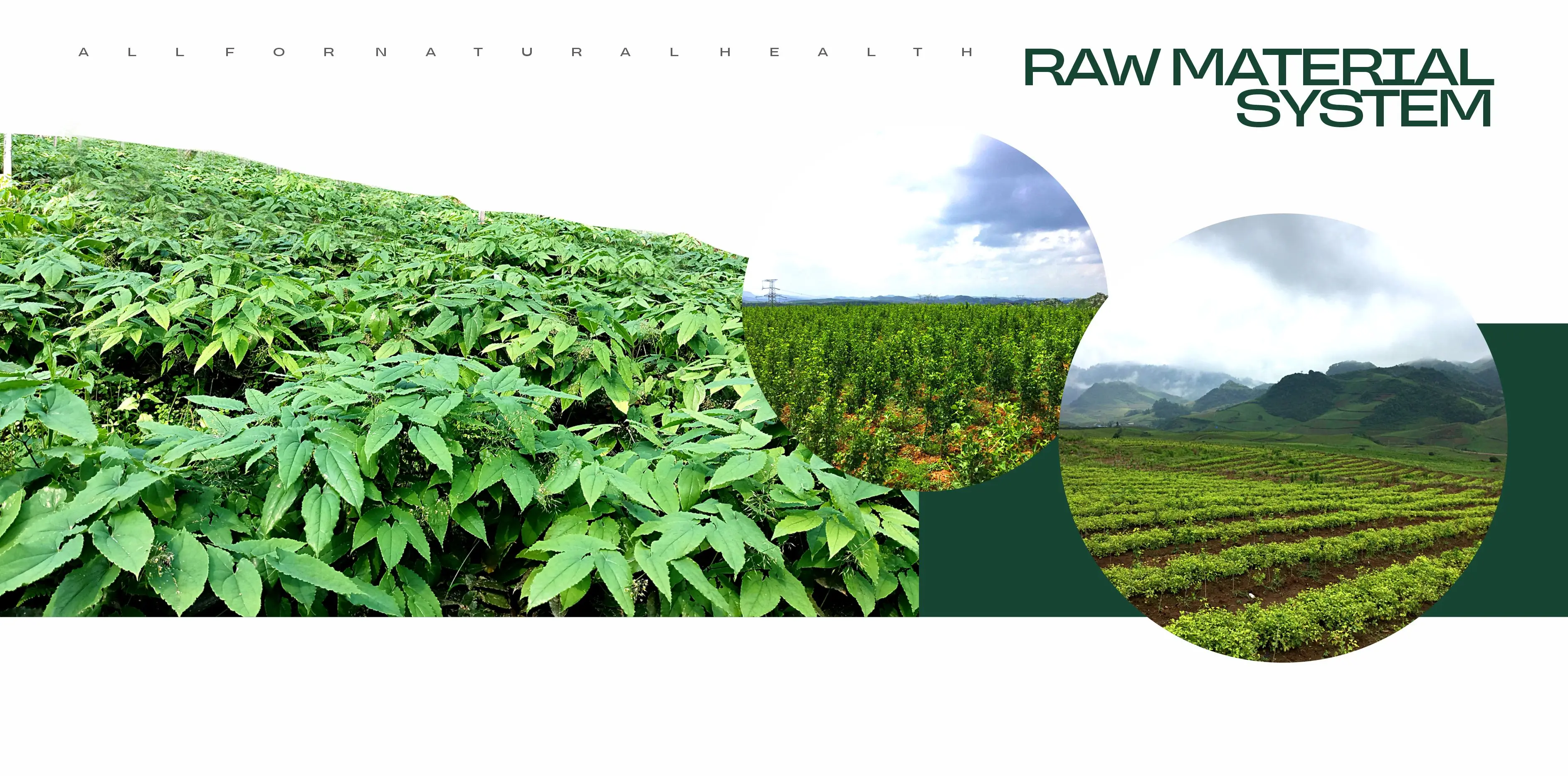
Over 85% of the world’s pharmacopeial Quercetin originates from the dried flower buds (Flos Sophorae Immaturus) of Sophora japonica L. (syn. Styphnolobium japonicum), predominantly cultivated across Shaanxi, Henan, Shandong, and Guangxi provinces. Unlike South American alternatives derived from fava d'anta (Dimorphandra mollis) which suffer from erratic climate cycles and variable glycoside ratios, Chinese Sophora yields exceptionally concentrated rutin (15%–22% crude content).
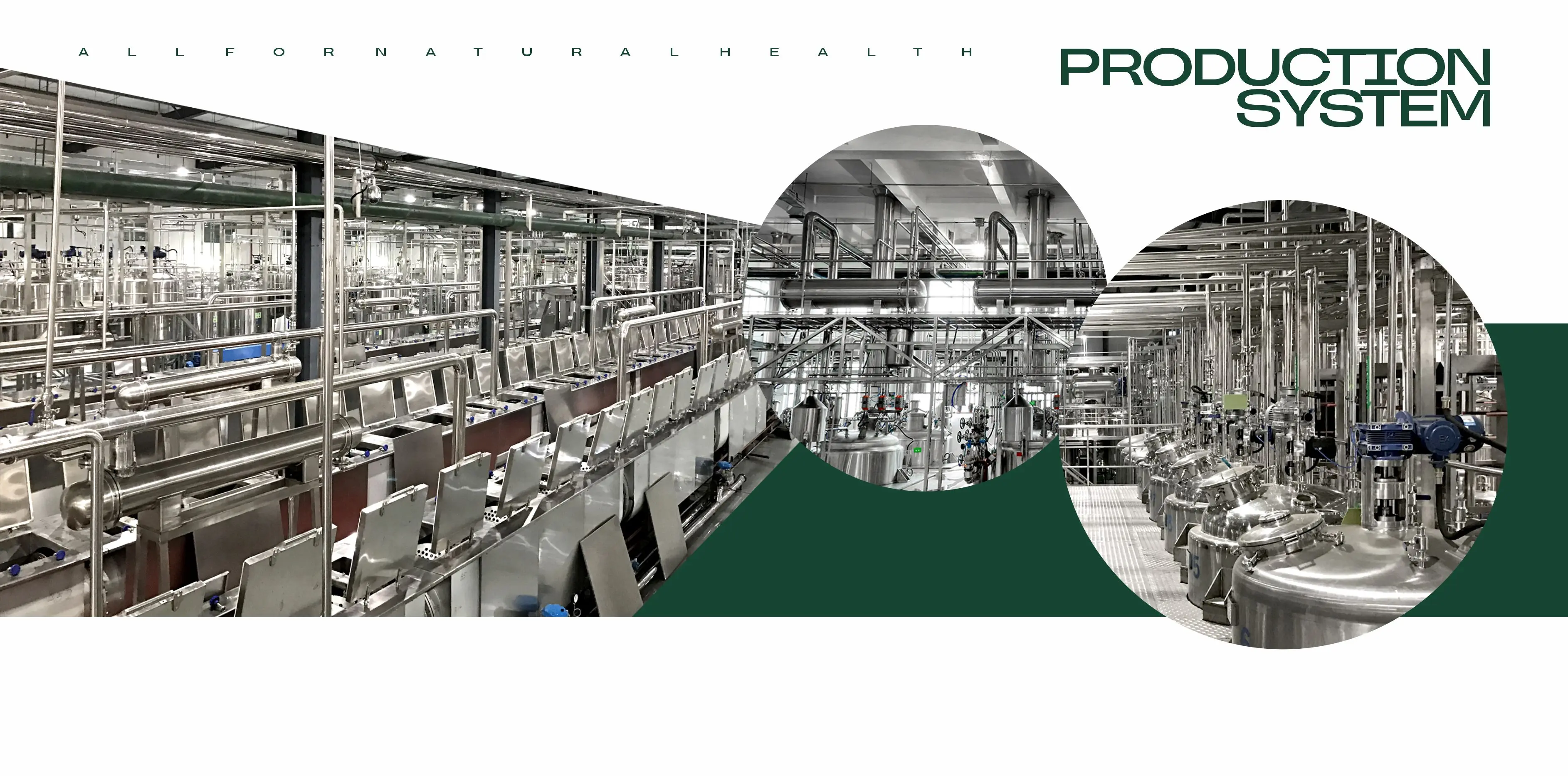
UniCare Bio-Tech and its integrated partner refineries deploy advanced continuous countercurrent extraction batteries. Crude rutin is isolated through hot hydro-ethanolic extraction, subjected to controlled mineral acid hydrolysis (cleaving the rhamnose-glucose disaccharide rutinoside), and subsequently purified through multi-stage recrystallization to deliver pharmaceutical-purity aglycone.
Global Pharmacopeia Convergence: North American & European Standards
Procuring raw bulk quercetin requires stringent adherence to dynamic international pharmacopeial compendia. Inferior marketplace material often utilizes UV-Vis spectrophotometric assaying, which incorrectly measures degraded polyphenols as active quercetin. UniCare guarantees true HPLC specificity.
USP Standard Compliance
Conforms precisely to the United States Pharmacopeia monograph: Assay 95.0%–102.0% (anhydrous basis) via validated isocratic reverse-phase HPLC. Loss on drying strictly partitioned between dihydrate (9.5%–12.5%) and anhydrous (<1.0%) specifications.
USP Monograph VerifiedEuropean Pharmacopoeia & EFSA
Exceeds Ph. Eur. requirements for botanical integrity. Rigorous limits on related substances (isorhamnetin <1.5%, kaempferol <1.0%). Screened for total Polycyclic Aromatic Hydrocarbons (PAH4 < 10 ppb; Benzo(a)pyrene < 2 ppb) under Regulation (EU) 2015/1933.
EU Food Safety GradeCalifornia Prop 65 Thresholds
Screened via Agilent ICP-MS instrumentation to meet ultra-low California Safe Drinking Water limits without qualification exemptions: Lead (Pb) <0.5 ppm, Cadmium (Cd) <0.5 ppm, Arsenic (As) <1.0 ppm, Mercury (Hg) <0.1 ppm.
Heavy Metals < 5 ppm TotalEthylene Oxide & Solvent Purity
Zero Ethylene Oxide (ETO) and zero 2-chloroethanol treatment (detection limit <0.02 mg/kg). Residual extraction solvents strictly adhere to USP <467> Class 2 and Class 3 limits (Ethanol <5000 ppm, Methanol <3000 ppm) tested by Agilent GC-FID headspace.
Non-Irradiated / ETO FreeHigh-Value Industrial Application Scenarios for Quercetin
Beyond traditional single-entity multivitamin supplements, high-grade Sophora quercetin serves as an indispensable active across next-generation functional verticals.
Longevity & Senolytics
Co-formulated alongside Dasatinib, Fisetin, or Resveratrol in cutting-edge anti-aging formulas. Targets the elimination of senescent cells (the "SASP" phenotype) via transient inhibition of pro-survival networks (PI3K/AKT pathways).
Mitochondrial & Sports Nutrition
Stimulates mitochondrial biogenesis via PGC-1α and SIRT1 upregulation. Enhances peak aerobic performance (VO2 max) and mitigates exercise-induced muscular inflammation when combined with Vitamin C and Bromelain.
Immune & Zinc Ionophore Delivery
Acts as a proven natural zinc ionophore, facilitating intracellular transport of Zn2+ ions across lipid bilayers to suppress viral replication machinery and optimize respiratory mucosal immunity.
Clean-Label Functional FMCG
Serving as a clean-label, bio-based lipid antioxidant in food systems, inhibiting fatty acid hydroperoxide generation. Solubilized grades allow fortified sports hydration beverages without sedimentation.
Analytical Rigor: Inside the UniCare Bio-Tech Testing Infrastructure
Quality assurance is not a theoretical promise—it is rooted in chromatograms, spectrometer data, and mass spectrometry resolution. Every partner facility under UniCare Bio-Tech operates an independent analytical laboratory equipped to conduct complete compendial releases before packaging.
Laboratory Equipment Fleet:
- • 2× Agilent 1290 Infinity UHPLC
- • 4× Agilent 1260 HPLC Systems
- • 2× Shimadzu LC-20AT HPLC
- • 2× Shimadzu ELSD 2000ES
- • 2× Dionex High-Pressure LC
- • 1× Shimadzu GC2010 & AA-7000 AAS
Testing protocols encompass marker compound quantification by HPLC-DAD, residual solvent screening by gas chromatography with static headspace injection, organochlorine & organophosphate multiresidue pesticide screens by GC-MS/MS, and five-metal ICP-MS heavy metal profiles.
Recent Phytochemical Discoveries & Supply Chain Warnings
Stay ahead of evolving clinical trials, molecular target pathways, and critical market authenticity concerns evaluated by our science teams.
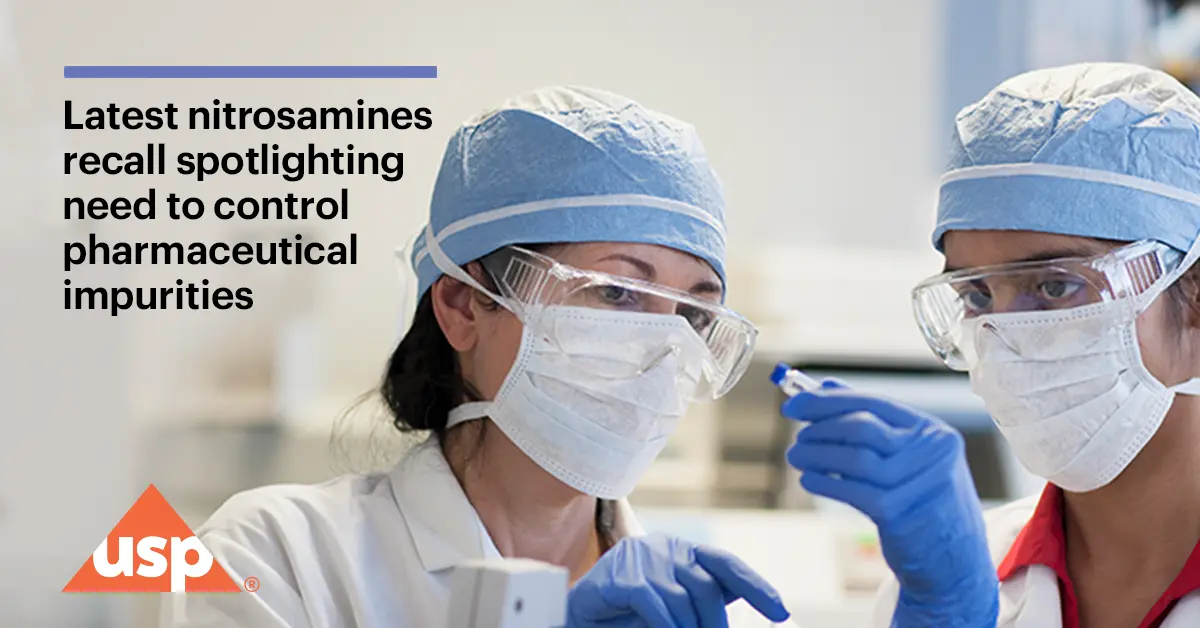
The "Natural" Berberine Trap: Synthetic vs Botanical
Why chemical COAs fail to differentiate synthetic petroleum-derived alkaloids from natural Phellodendron or Berberis aristata extract, and the Carbon-14 isotopic testing required to guarantee botanical origin.
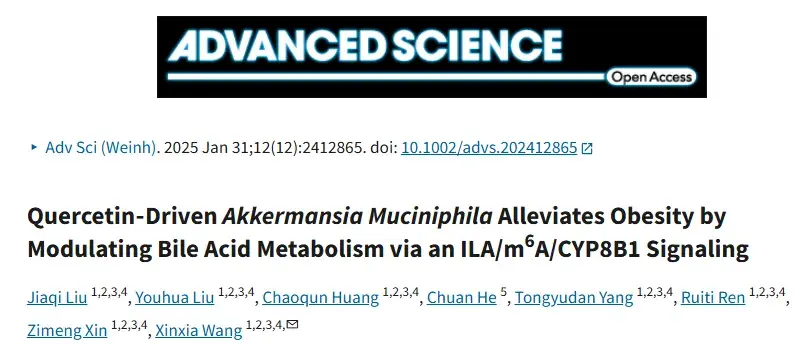
Novel Gut-Liver Pathway for Quercetin In Obesity
Zhejiang University researchers identify a gut-liver signaling axis through which dietary quercetin modulates bile acid receptor TGR5 and down-regulates hepatic lipid accumulation.
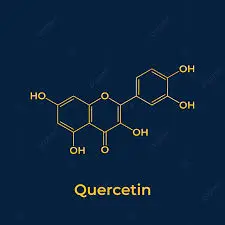
Multi-Target Mechanisms of Flavonoid Aglycones
Comprehensive molecular mapping of quercetin's dual inhibition on COX-2 and 5-LOX enzymatic cascades, confirming selective anti-inflammatory potency without mucosal gastric erosion.
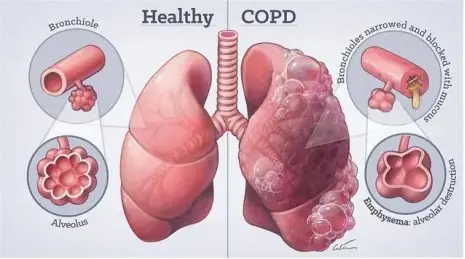
Pulmonary Protection Against Particulate Matter
Preclinical data validates quercetin's capacity to shield alveolar epithelial barriers from PM2.5-induced reactive oxygen species (ROS) damage and mast cell degranulation.

Neuroprotection & Tau Hyperphosphorylation
In-depth preclinical models highlight quercetin’s multi-target ability to penetrate the blood-brain barrier via nanocarriers, mitigating beta-amyloid peptide aggregation and neuroinflammation.
Phytochemical Innovation Roadmap: 2025–2030
As the botanical extraction sector evolves toward net-zero environmental impact, higher bio-accessibility, and precision biomanufacturing, our factory aligns research with three key technology horizons.
Green Enzymatic Cleavage
Transitioning from traditional mineral acid hydrolysis to immobilized α-L-rhamnosidase and β-glucosidase bioreactors. This clean biotransformation cleaves rutin into quercetin without harsh inorganic salts, achieving higher yield and 100% neutral wastewater discharge.
Target Commercialization: 2026Synthetic Biology Biosynthesis
Evaluating engineered Yarrowia lipolytica and Saccharomyces cerevisiae yeast strains capable of producing quercetin de novo from simple glucose feeds. Provides a non-agricultural backup against climate vulnerability.
Pilot Strain OptimizationSubmicrocrystalline Solid Dispersions
Next-generation spray-drying co-crystallization using natural acacia gum and pea protein matrices to create instant water-dispersible quercetin powders with clean-label organic certification credentials.
Scale-Up PhaseVerified Botanical Supply Chain: Direct Factory Procurement
Order batch samples and complete technical dossiers for our certified botanical extracts. Guaranteed assay fidelity, audit-ready facilities, and rapid international air/sea logistics.
Quercetin (Sophora japonica)
Direct factory supply of pharmaceutical and food grade quercetin. Consistent crystal purity with fully verified HPLC COA.
Order Bulk Quercetin
Rhodiola Rosea Extract
Wildcrafted alpine root extraction standardized to rosavin isomers for cognitive stress modulation and adrenal resilience.
Request Rhodiola COA
Pomegranate Extract
Aqueous extraction of Punica granatum husk yielding high molecular punicalagins for urolithin-A precursor metabolic formulas.
Request Pomegranate Spec
Epimedium Extract Icariin
Precision fractionated Horny Goat Weed active ingredient supporting nitric oxide pathway kinetics and vitality formulations.
Inquire Icariin Supply
Grape Seed Extract GSE
Solvent-free extracted oligomeric OPCs from Vitis vinifera L. Ultra-low PAH profile with full European compliance.
Inquire GSE Pricing
Olive Leaf Extract
Standardized Mediterranean Olea europaea leaf fraction supporting antioxidant defenses and systemic cardiovascular integrity.
Get Olive Leaf Sample
Garlic Bulb Extract
Controlled deodorization retains bioactive Alliin and active enzyme alliinase for immediate conversion upon ingestion.
Download Garlic Specs
Ajuga Turkestanica Extract
Authentic Ajuga raw material HPLC verified against genuine reference standards, avoiding common marketplace adulteration.
Request Turkesterone DossierFrequently Asked Questions: Quercetin Supplier Qualification
Essential regulatory, analytical, and logistics criteria answered by UniCare's technical quality directors for corporate procurement teams.
What is the exact botanical origin of your Quercetin, and how is it synthesized?
Why do you insist on HPLC testing instead of UV-Vis spectrophotometry?
What is the difference between Quercetin Dihydrate and Quercetin Anhydrous?
Which third-party certifications validate your partner manufacturing plants?
How do you control for Ethylene Oxide (ETO), PAHs, and heavy metal contaminants?
Can UniCare customize particle sizing, bulk density, or granulation?
What standard documentation is provided with each commercial shipment?
What are your standard Minimum Order Quantities (MOQ) and lead times?
Initiate Supplier Qualification & Sample Evaluation
Partner with an accountable Chinese botanical extract manufacturer offering true multi-site extraction capacity, certified chromatographic release protocols, and verified pharmacopeial compliance.