
Featured Botanical Extracts & Active Ingredients
HPLC-verified botanical extracts and active nutraceutical powders manufactured in accordance with cGMP, ISO 22000, and European Pharmacopoeia standards.








The Science of Dehydrated Allium Sativum: Alliinase Kinetics & Allicin Yield
Garlic powder procurement for high-tier pharmaceutical, nutraceutical, and industrial culinary brands demands rigorous biochemical control. The primary efficacy of *Allium sativum* relies not merely on aromatic dried flesh, but on preserving the non-protein amino acid alliin and the active, heat-sensitive enzyme alliinase (EC 4.4.1.4).
Enzymatic Protection (Low-Temp Dehydration)
Alliinase is irreversibly deactivated at sustained temperatures above 60°C. Our state-of-the-art continuous dehydrating tunnels maintain thermal stability through staged, multi-zone countercurrent airflow under 55°C, ensuring that intact alliinase remains biologically capable of converting alliin into therapeutic diallyl thiosulfinate (allicin) upon hydration.
Cryogenic Micro-Pulverization
Standard mechanical impact mills generate localized friction heat exceeding 75°C, degrading active volatile sulfur compounds. Our advanced milling lines employ liquid nitrogen or chilled-air cryogenic micro-milling, producing fine 80–200 mesh powders without caramelizing natural alliums or vaporizing volatile bioactives.
Assay-Standardized Allicin Yield
Unlike commodity spice dust that provides zero active compound declarations, our export-grade garlic powders are standardized batch-by-batch. Using validated HPLC chromatography, each lot specifies precise alliin content (from 1.0% up to 5.0% pure alliin) and allicin release potential upon enzymatic dissolution.
China Factory Supply Chain Advantages: Agricultural Scale & Cold-Storage Hegemony
China produces more than 70% of the world's garlic crop, centered around the world-renowned agricultural hubs of Jinxiang County (Shandong Province) and Pizhou (Jiangsu Province). By establishing direct vertical integration with localized GAP (Good Agricultural Practices) farming cooperatives, UniCare Bio-Tech and partner factories control quality, cost, and availability from bulb germination to container dispatch.
Geographic Origin & Soil Chemistry
Jinxiang's alluvial plains feature deep, sandy loam soils with natural concentrations of bio-available sulfur and trace minerals. This specific agro-climatic profile fosters exceptional organosulfur synthesis within *Allium sativum*, yielding cloves with 25–40% higher baseline alliin concentrations compared to Mediterranean or California cultivars.
Controlled Atmospheric Cold Storage
Garlic is harvested annually between May and June. To maintain raw material freshness without sprouting, rotting, or enzyme degradation, our manufacturing network utilizes over 3.5 million metric tons of CA (Controlled Atmosphere) cold-storage capacity at -2°C to 0°C. This infrastructure guarantees continuous year-round processing of pristine fresh cloves.
Direct Port Connectivity & Logistics
Direct multimodal railway and expressway links connect processing plants directly to Qingdao and Lianyungang seaports. With full dry and reefer container availability, automated customs manifests, and pre-cleared sanitary phytosanitary documentation, we achieve lead times 10–14 days faster than inland manufacturers.
Market Hedging & Cost Parity
Garlic bulb pricing historically encounters steep volatility cycles. UniCare’s long-term agricultural purchase agreements and extensive inventory stabilization hedging protect international B2B contract buyers from seasonal raw material spikes, offering locked-in, multi-quarter contractual price stability.
Industrial Grade Specifications & Quality Verification Matrix
We supply diverse formulations spanning nutraceutical high-potency extracts, microencapsulated powders, enteric formulations, and bulk industrial seasoning powders. Every grade complies with destination-specific pharmacopeias (USP, Ph. Eur., Food Chemicals Codex).
| Garlic Powder Grade | Marker Assay (HPLC) | Particle Mesh Size | Moisture / SO₂ Limit | Microbiological Standard | Primary Industrial Sector |
|---|---|---|---|---|---|
| Nutraceutical Allicin High-Potency | Alliin ≥ 2.0% - 5.0% Allicin Yield ≥ 1.0% - 2.5% |
80 - 120 Mesh Fine | Moisture ≤ 6.0% SO₂ ≤ 10 ppm |
Total Plate Count ≤ 1,000 cfu/g Yeast/Mold ≤ 100 cfu/g |
Enteric capsules, cardiovascular tablets, dietary supplements |
| Deodorized / Controlled Odor | Alliin ≥ 1.5% (Deodorized Complexed) |
100 Mesh Free-flow | Moisture ≤ 6.5% SO₂ ≤ 15 ppm |
Total Plate Count ≤ 3,000 cfu/g Salmonella: Absent / 25g |
Direct compressible supplements, effervescent tablets, gummies |
| Fermented Aged Black Garlic Powder | S-Allyl-Cysteine (SAC) ≥ 0.1% Total Polyphenols ≥ 3.0% |
80 - 100 Mesh Deep Black | Moisture ≤ 7.0% SO₂: Negative |
Total Plate Count ≤ 5,000 cfu/g E. coli: Negative |
Antioxidant formulations, longevity supplements, culinary sauces |
| Industrial Culinary Pure (Grade A) | Natural Clove Alliin Profile (Unstandardized) |
40 - 60 Mesh (Granulated) 80 - 100 Mesh (Powder) |
Moisture ≤ 6.0% SO₂ ≤ 30 ppm (or <10ppm) |
Steam-sterilized: TPC ≤ 10,000 cfu/g Non-Irradiated |
Meat processing, snack seasonings, soups, clean-label sauces |
| Phytogenic Animal Feed Grade (PFA) | Alliin ≥ 0.8% - 1.2% Allicin Precursors Preserved |
60 - 80 Mesh Standard | Moisture ≤ 8.0% Purity: 100% Allium |
Compliant with Feed Hygiene Standards Pathogen Free |
Natural antibiotic alternative (AGP replacement), swine & poultry feed |
Industrial Manufacturing Workflow: From Fresh Bulb to Hermetic Barrel
Preserving natural organosulfurs while eliminating heavy metals, microbial loads, and pesticide traces requires a strictly monitored, GMP-compliant process flow with zero chemical bleaching agents or artificial anti-caking compounds.
01. Optical Sorting & Multi-Stage Wash
Raw whole bulbs undergo mechanical clove splitting and pneumatic skin separation. Optical color sorters eliminate defective, discolored, or bruised cloves. The cloves then enter countercurrent bubbling wash channels with food-grade ozone sanitization to eradicate surface microbes without chemical residues.
02. Precision Slicing & Low-Temp Dehydration
Cloves are sliced to a uniform 1.5–2.0 mm thickness to optimize moisture release. Slices enter our 5-tier continuous mesh belt dryers. Air temperatures are strictly stepped down across compartments (from 60°C down to 48°C) to remove water without rupturing internal cell vacuoles or triggering premature alliinase cleavage.
03. Cryogenic Milling & Mesh Granulation
Dehydrated garlic flakes (moisture ≤ 5.5%) are transferred into nitrogen-blanketed milling chambers. Liquid nitrogen pre-chilling prevents oil separation and frictional heating. Dynamic air classification systems sort granules precisely into buyer-requested mesh specs (from 40-mesh coarse down to 200-mesh ultra-fine).
04. Magnetic De-Ironing & Hermetic Pack
The milled powder passes through 12,000-Gauss rare-earth magnetic traps and automated X-ray detection systems to guarantee absolute absence of metallic foreign bodies. Packaging is executed in Class 100,000 cleanrooms using double-layer heat-sealed food-grade polyethylene liners encased inside vacuum fiber drums.
Global Corporate Procurement Demands: Compliance Across North America, EU, & Asia
International ingredient sourcing teams encounter complex regulatory hurdles when importing plant powders. UniCare Bio-Tech and partner production facilities provide full destination-market compliance, ensuring seamless customs clearance and frictionless audit inspections.
North American FSMA & US cGMP
Fully registered under US FDA Food Safety Modernization Act (FSMA) and compliant with 21 CFR Part 111 (Dietary Supplements) and Part 117 (Preventive Controls). Validated microbial pathogen kill-step data and full California Proposition 65 testing documentation (Pb < 0.5 ppm, As < 1.0 ppm, Cd < 0.3 ppm, Hg < 0.1 ppm) provided per shipment.
European Union MRLs & ETO-Free Guarantee
European buyers demand strict enforcement of EC 396/2005 Maximum Residue Limits (MRLs) for over 500 pesticides. We offer guaranteed Ethylene Oxide (ETO) Free and Irradiation-Free (Radura-Free) garlic powders, achieving microbial log reductions via continuous High-Temperature Short-Time (HTST) saturated dry-steam sterilization.
Religious & Clean-Label Certifications
To serve diverse worldwide markets, our production facilities hold recognized third-party audited certifications: Halal (MUI & JAKIM approved), Kosher (OU / Star-K), BRCGS Grade A, FSSC 22000, and Non-GMO Project Verified. 100% pure garlic composition with zero carriers (such as maltodextrin or silica) unless specified.
Industrial Application Profiles: Formulating with Standardized Garlic Powder
Garlic powder’s unique organosulfur complexity allows it to serve multiple industrial applications, functioning as an active medicinal agent, a natural shelf-life extender, a clean-label seasoning, or an animal gut-health booster.
Cardiovascular & Immune Supplements
Standardized high-alliin powder (2.0%–5.0%) is ideally engineered for enteric-coated tablets and two-piece hard shell capsules. It passes intact through gastric stomach acid and dissolves in the duodenum (pH > 6.8), triggering maximum alliinase-mediated allicin liberation directly into the intestinal tract for endothelial nitric oxide synthesis and lipid management.
Clean-Label Food Antimicrobial Preservation
Industrial processed meat and poultry manufacturers use garlic's natural diallyl sulfides (*diallyl disulfide, diallyl trisulfide*) as plant-based alternatives to synthetic preservatives. It suppresses lipid oxidation and inhibits common spoilage organisms (*Listeria monocytogenes, Clostridium botulinum*), while adding a robust savory flavor profile.
Phytogenic Feed Additives (PFAs)
As global animal husbandry bans antibiotic growth promoters (AGPs), micro-granulated garlic powder serves as an essential functional feed additive. In broiler poultry and swine nursery diets, garlic organosulfurs modulate the gut microbiome, enhance intestinal villus architecture, control coccidiosis, and elevate feed conversion ratios (FCR).
Industrial Culinary & Seasoning Pre-mixes
Designed for multinational snack food, soup, and dry rub compounders requiring instant dispersion and zero clumping. Our 40–80 mesh granulated powders exhibit optimized bulk density, low hygroscopicity, and stable suspension across liquid bouillons and oil marinades without settling or phase separation.
Analytical Laboratory Verification: Multi-Stage Batch Release Protocol
UniCare Bio-Tech and partner facilities operate independent analytical testing laboratories equipped with world-class instrumentation. No batch leaves the facility without comprehensive chromatographic profiling, contaminant screening, and batch-specific Certificate of Analysis (COA) generation.
Validated Laboratory Instrumentation
Our partner QC laboratories run high-precision analytical equipment from Agilent, Shimadzu, and Dionex, ensuring global testing alignment:
- Agilent 1290 UHPLC (×2) — Ultra-high resolution alliin/polyphenol quantification
- Agilent 1260 HPLC (×4) — Routine assay and marker validation
- Shimadzu LC-20AT HPLC (×2) — Multi-wavelength gradient compound verification
- Shimadzu ELSD 2000ES Detector (×2) — Non-chromophore carbohydrate & saponin assay
- Dionex HPLC System (×2) — Ion-exchange and organic acid separation
- Shimadzu GC2010 GC & AA-7000 AAS (×1) — Residual solvents & heavy metal spectroscopy
Comprehensive 8-Point Release Testing Matrix
Every lot undergoes mandatory screening prior to warehouse release:
- Marker Compound Assay: Alliin & Allicin release tested by HPLC-DAD
- Residual Solvents: Screened by Gas Chromatography (GC) (USP <467>)
- Pesticide Residue Screen: 500+ organochlorines/phosphates via GC-MS/MS & LC-MS/MS
- Heavy Metals: Lead (Pb), Arsenic (As), Cadmium (Cd), Mercury (Hg), Copper (Cu) by ICP-MS
- Botanical Identification: Microscopic thin-section & TLC comparison against reference standards
- Physical Specifications: Loss on drying (Moisture), ash content, bulk/tap density, mesh fineness
- Microbiological Limits: Total aerobic count, yeast & mold, Salmonella, E. coli, S. aureus
- Chemical Checks: pH balance, electrical conductivity, sulfur dioxide (SO₂) residual titration
Garlic Industry Trends: The Rise of SAC, Enteric Encapsulation & Green Decarbonization
Global market demand is shifting from generic culinary powders toward functional, specialized ingredients. B2B formulators seek enhanced bio-efficacy, reduced organoleptic pungency, and sustainable factory processing.
Fermented S-Allyl-Cysteine (SAC)
Thermal fermentation converts unstable allicin into stable, water-soluble S-Allyl-Cysteine (SAC) in aged black garlic powder. SAC delivers 100% oral bioavailability, high cellular antioxidant capacity, and anti-glycation performance without the strong breath odor typical of fresh allium products, unlocking a major segment in anti-aging nutraceuticals.
Fluidized Bed Enteric Microencapsulation
To resolve consumer gastrointestinal reflux and stomach acid deactivation, our R&D facility utilizes specialized fluid-bed bottom-spray wurster coating. Powder particles are microencapsulated with vegetable fatty acids or shellac, achieving 100% gastric bypass and complete dissolution in small intestine physiological buffers.
Low-Carbon Steam-Belt Thermal Recovery
Meeting international Scope 1 & 2 ESG decarbonization goals, our partnered production lines incorporate closed-loop heat exchanger recovery across drying tunnels. Heat energy consumption is reduced by 34%, eliminating coal dependency in favor of biomass and solar electric drying arrays.
Recent Botanical Research & Phytochemical Intelligence
Peer-reviewed biochemical insights and supply chain authentication reports guiding ingredient directors, formulation scientists, and regulatory buyers.
The "Natural" Berberine You Bought May Not Be Natural At All
Origin claims on berberine are not always what they seem. This in-depth report details why synthetic raw materials can mirror botanical COAs on basic tests, and which carbon-14 and GC-MS checks confirm natural authenticity.
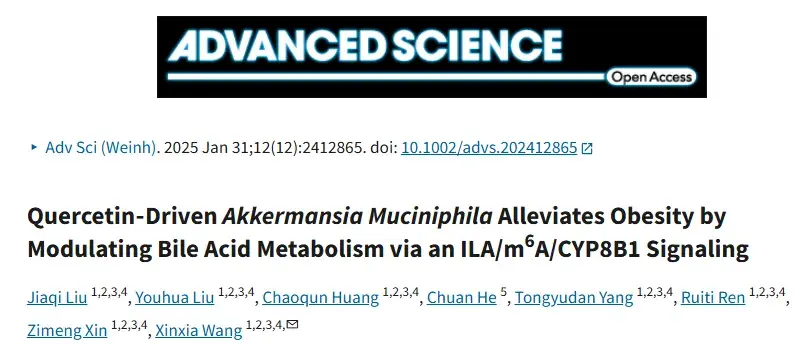
Study Reveals Novel Gut-Liver Pathway for Quercetin's Anti-Obesity Effects
Researchers from Zhejiang University describe a gut-liver signaling axis through which dietary flavonoid quercetin modulates hepatic lipid metabolism and systemic metabolic balance.
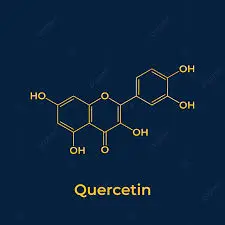
Review Maps Quercetin's Multi-Target Mechanisms and Natural Sources
A comprehensive scientific review summarizing preclinical and clinical evidence on Sophora japonica derived quercetin as a multi-target bioactive antioxidant flavonoid.
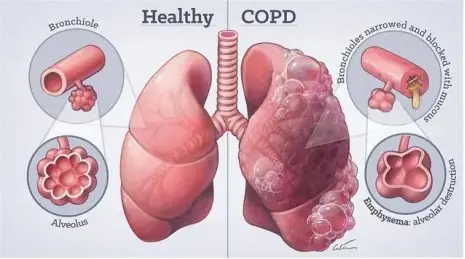
Research Highlights Quercetin's Lung-Protective Potential
Clinical and cellular evaluations underline quercetin's critical role in mitigating bronchial oxidative stress and supporting pulmonary cellular integrity against ambient particulate matter.

Quercetin Shows Multi-Target Potential in Alzheimer's Research
Neuroscience laboratories demonstrate why naturally derived flavonoids suppress tau hyperphosphorylation and mitigate neuroinflammatory cascades in cognitive aging studies.
Frequently Asked Questions: Garlic Powder Factory & Global Sourcing
Direct answers to the most frequent commercial, technical, and analytical questions addressed by quality assurance and procurement teams when onboarding our facility.
What is the definitive chemical difference between culinary garlic powder and nutraceutical alliin-standardized powder?
Which sterilization method is utilized to ensure compliance with European Union ethylene oxide bans?
Which manufacturing quality certifications do UniCare’s partner factories hold?
How does the factory prevent moisture clumping without adding chemical anti-caking excipients?
What documentation is delivered alongside each commercial export shipment?
Can UniCare customize ingredient specifications, particle mesh, or packaging formats?
Standardized Phytochemical Powders & Active Herbal Extracts
Explore our complementary portfolio of verified plant extracts, polyphenols, and standardized active botanicals available for immediate international dispatch.


Qualifying a New Botanical Extract & Garlic Powder Supplier?
Access our complete pharmaceutical & nutraceutical ingredient catalog, request batch-specific COAs, analytical testing methods, or pilot sample aliquots for laboratory verification.