
Standardized Botanical Extracts & Commercial Grades
Batch-verified phytopharmaceutical ingredients and high-titer extracts directly supplied by ISO & GMP audited facilities with complete regulatory documentation.








Global Commercial Status of Ginkgo Biloba Extract (GBE)
Navigating complex international pharmacopeial harmonizations, therapeutic demands, and strict regulatory purity thresholds for commercial procurement.
Clinical Nootropic & Vascular Therapeutics
Ginkgo Biloba Extract (GBE) represents one of the world's most widely consumed and clinically scrutinized phytomedicines. Clinically evidenced by the standardized formulation EGb 761, the global market for Ginkgo Biloba extracts is projected to maintain a resilient compound annual growth rate (CAGR) of 6.2% through 2032. Its primary pharmacological validation resides in cerebral microcirculation enhancement, mitochondrial membrane potential stabilization, radical scavenging, and platelet-activating factor (PAF) antagonism.
In mature markets such as Germany, France, and Japan, standardized GBE is registered as a regulated drug substance for neurocognitive impairment, peripheral arterial occlusive disease (PAOD), and inner-ear vascular pathologies such as tinnitus. In North America and developing economies, it commands leadership within cognitive longevity nootropics and healthy-aging dietary supplement formulations.
The Stringent Requirement for Pharmacopeial Harmonization
International B2B sourcing of Ginkgo Biloba extract demands strict adherence to monographic specifications established by the European Pharmacopoeia (EP 10.0/11.0), the United States Pharmacopeia (USP 43-NF 38 and subsequent editions), and the Chinese Pharmacopoeia (CP 2020/2025). Commercial buyers face severe compliance risks if their selected manufacturer cannot provide batch-to-batch consistency in the classic ratio: 24% Ginkgo Flavonol Glycosides and 6% Terpene Lactones.
Beyond active marker compounds, the definitive metric separating elite industrial processors from sub-standard suppliers is the rigorous mitigation of toxic cytotoxic alkylphenols, specifically Ginkgolic Acids, which must be controlled below 5.0 ppm (or < 1.0 ppm for high-potency parenteral and premium oral grades) to prevent severe contact allergies, mutagenicity, and hepatotoxic events.
Technical Monograph Comparison: USP vs. Ph. Eur. (EP) vs. ChP (CP)
Procurement teams must calibrate testing parameters against destination market requirements. The matrix below contrasts key assay parameters and contaminant limits:
| Analytical Specification | USP Monograph (Dietary Supplement) | European Pharmacopoeia (Ph. Eur.) | Chinese Pharmacopoeia (CP 2020) | UniCare Elite Industrial Spec |
|---|---|---|---|---|
| Flavonol Glycosides (Total) | 22.0% – 27.0% (Calculated as Glycosides) | 22.0% – 27.0% (Calculated as Glycosides) | ≥ 24.0% (Assayed as Quercetin/Kaempferol/Isorhamnetin) | 24.0% – 26.0% (Optimal batch consistency) |
| Total Terpene Lactones | 5.4% – 12.0% (HPLC-ELSD or LC-MS) | 6.0% – 7.0% (Ginkgolides A, B, C + Bilobalide) | ≥ 6.0% (Bilobalide + Ginkgolides A, B, C) | 6.0% – 8.0% (Verified by HPLC-ELSD) |
| Bilobalide Ratio | 2.6% – 5.8% | 2.6% – 3.2% | Reported / Fingerprint confirmed | 2.8% – 3.5% |
| Ginkgolic Acids (Alkylphenols) | ≤ 5.0 ppm (HPLC-UV / LC-MS) | ≤ 5.0 ppm (Ph. Eur. Method) | ≤ 5.0 ppm (ChP 2020 limit ≤ 5 or 10 ppm) | ≤ 1.0 ppm (Ultra-Low Residual Titer) |
| Peak Area Ratios (Adulteration) | Quercetin / Kaempferol / Isorhamnetin ratio limits | Strict ratio limits; No free flavonoid peaks | Specific fingerprint matching | Zero free Rutin/Quercetin; Natural fingerprint verified |
| Residual Solvents | USP <467> Class 2/3 limits (Ethanol ≤ 5,000 ppm) | CPMP/ICH guidelines (Acetone/Ethanol compliant) | ChP General Chapter 0861 | GC Headspace: Ethanol < 1,000 ppm, Acetone < 50 ppm |
Why China Dominates Global Ginkgo Biloba Extract Production
From botanical biomass control in Shandong and Jiangsu to advanced countercurrent extraction plants, Chinese manufacturers deliver unmatched economies of scale, purity, and cost predictability.
Agronomic Raw Material Monopoly
China is home to over 70% of the world's Ginkgo biloba tree resources, concentrated in ancient native cultivation corridors in Pizhou (Jiangsu), Tancheng (Shandong), Guizhou, and Hubei. Domestic processing factories leverage dedicated Good Agricultural and Collection Practices (GACP) forestry bases where leaf harvest timing is mathematically synchronized with seasonal peak flavonoid accumulation (typically late August to early October).
This geographic proximity eliminates multi-week oceanic transit for bulk raw biomass, preserving volatile terpenes and fragile glycoside precursors while drastically reducing biological decomposition, mold formation, and aflatoxin contamination risks.
Continuous Countercurrent Engineering
Modern Chinese extraction facilities have phased out obsolete batch kettles in favor of multi-stage continuous countercurrent extraction lines coupled with macroporous adsorption resin columns. This enables continuous solid-liquid mass transfer under automated temperature controls (typically 50°C–65°C using aqueous ethanol).
Thermal residence times are minimized, preventing thermal degradation of Bilobalide and Ginkgolides. Subsequent multi-stage desorption precisely separates the polar flavonoid fractions from hydrophobic ginkgolic acids, achieving recovery yields greater than 88% while driving thermal energy consumption down by 35% compared to Western legacy facilities.
Capital Efficiency & Supply Reliability
The combination of integrated domestic supply chains, automated resin column separation clusters, and advanced solvent recovery systems allows Chinese manufacturing partners to deliver pharmacopeia-compliant material at unit costs 25% to 45% below European contract manufacturers. Furthermore, Chinese factory ecosystems feature massive warehousing capacities, maintaining strategic safety stocks of dried leaf material.
This structural insulation safeguards global multinational brands against agricultural crop failures, weather anomalies, and raw material inflationary shocks, ensuring unbroken annual delivery contracts.
Localized Application Scenarios Across Global Jurisdictions
From North American nootropic stacks to European phytomedicine and Asian functional beverages, GBE specifications must be tailored to formulation physics and regulatory frameworks.
Dietary Supplements & Nootropics
In the US and Canada, GBE is heavily utilized in multi-ingredient cognitive health complexes, synergized with Phosphatidylserine, Lion's Mane, L-Theanine, and Bacopa monnieri. Formulators demand fine-mesh powders (80 to 100 mesh) with high bulk density (0.45–0.60 g/mL) for high-speed capsule filling machines and direct-compression tablets.
Water-dispersible, micro-encapsulated grades are also expanding into nootropic energy beverages, requiring low astringency and high clarity without sediment.
Phytopharmaceuticals & OTC Drugs
The European market is strictly governed by the Committee on Herbal Medicinal Products (HMPC). European buyers require extracts that mirror the toxicological and pharmacological safety profile of EGb 761.
Key technical requirements include Active Substance Master Files (ASMF) or CEP documentation, quantitative GC-MS/MS pesticide screens covering more than 400 agrochemical residues, heavy metals tested to ICP-MS precision, and absolute compliance with the < 5 ppm ginkgolic acid threshold.
Functional Foods & Healthy Aging RTDs
In Japan (under FOSHU / Foods with Function Claims), South Korea (MFDS Functional Health Foods), and Southeast Asia, Ginkgo extract is incorporated into functional jelly sticks, ready-to-drink (RTD) teas, and chewable gummies targeting memory retention in aging demographics.
These matrices demand customized cold-water soluble Ginkgo biloba powders optimized to mask bitter flavonol aglycones while maintaining heat and pH stability during pasteurization.
Cosmeceutical & Microcirculation Skincare
Cosmetic formulation laboratories harness GBE's exceptional bioflavonoid profile for topical dermal formulations. Acting as a microvascular tonic and free-radical scavenger, it is deployed in premium anti-aging serums, under-eye dark circle creams, and soothing post-treatment emulsions.
Cosmetic-grade Ginkgo extract must feature decolorized profiles, zero residual hydrocarbon solvents, and negligible ginkgolic acid titers (< 1 ppm) to eliminate dermal sensitization risks.
Combatting Adulteration: The Analytical Battleground
Due to the economic premium of authentic Ginkgo Biloba extract, raw material adulteration remains an industry-wide challenge. Learn how our partner laboratories apply multi-dimensional testing to guarantee authentic botanical identity.
Common Adulteration Modalities
Because routine spectrophotometric testing (UV-Vis) or unrefined acid-hydrolysis HPLC only quantifies total aglycone masses, unscrupulous brokers often spike low-grade Ginkgo extract with inexpensive bioflavonoid concentrates, including:
- Sophora japonica Extracts (Rutin & Quercetin): Extensively used to artificially elevate the flavonol glycoside assay to the required 24% threshold at minimal cost.
- Buckwheat (Fagopyrum esculentum) Extracts: Spiked to skew rutin peaks.
- Genistein & Synthetic Flavonoids: Deliberately added to mimic botanical retention windows.
- Exogenous Kaempferol: Injected to rebalance aglycone ratios following quercetin spike manipulation.
Such adulteration depresses the critical terpene lactones fraction (bilobalide and ginkgolides), rendering the final product therapeutically ineffective and vulnerable to regulatory seizures and class-action litigation.
Definitive Analytical Countermeasures
To protect our global clients, every batch undergoes exhaustive chromatographic fingerprinting designed to unmask adulteration before factory release:
- Peak Area Ratio Verification (HPLC-DAD): In genuine Ginkgo extract, the area ratio of Quercetin to Kaempferol peaks must fall strictly within the 0.8 to 1.2 window, while Isorhamnetin must measure ≥ 0.15 relative to Quercetin. Deviation indicates exogenous botanical spiking.
- Free Flavonol Aglycone Screen: In pure Ginkgo leaf extracts, free Quercetin, Kaempferol, and Isorhamnetin occur only in trace amounts (< 0.5% each). High unhydrolyzed free aglycone spikes indicate direct blending with synthetic or hydrolyzed flavonols.
- Terpene-to-Flavonol Proportionality: The natural botanical ratio of Flavonol Glycosides (24%) to Terpene Lactones (6%) is roughly 4:1. Material reporting 24% flavonols but < 2% terpenes is instantly flagged and rejected.
UniCare Bio-Tech Manufacturing & Testing Ecosystem
Combining multi-site extraction horsepower with high-precision analytical laboratories certified to GMP, EU-GMP, CEP, ISO 9001, ISO 22000, and HACCP standards.
Certified Multi-Site Extraction Operations
UniCare Bio-Tech operates through integrated partnerships with established Chinese phytochemical production facilities headquartered in Chengdu, Sichuan, with partner extraction assets spanning Shandong, Jiangsu, and Shaanxi. Rather than depending on single-line processing, this multi-site structure ensures seamless redundancy, scalable volume throughput, and unbroken supply security.
Partner facilities are fully certified across international benchmarks including cGMP (21 CFR Part 111 & 210/211), EU-GMP, CEP (Certificate of Suitability), ISO 9001, ISO 22000, HACCP, Kosher, and Halal. Every batch is traceable back to specific harvesting plots, ensuring complete chain-of-custody documentation from raw folium to sealed export drum.
Independent In-House QC Instrumentation
Analytical release testing is conducted across state-of-the-art testing suites equipped with advanced instrumentation from premier global manufacturers, guaranteeing absolute accuracy:
- Agilent 1290 UHPLC Systems (×2): Ultra-high-speed chromatographic separation for complex flavonoid profile validation.
- Agilent 1260 HPLC Systems (×4): Dedicated to rutin, quercetin, kaempferol, and isorhamnetin aglycone assay release.
- Shimadzu LC-20AT HPLC (×2) & ELSD 2000ES Detectors (×2): Essential for non-chromophoric Terpene Lactone quantification (Bilobalide, Ginkgolides A, B, C).
- Dionex HPLC Platforms (×2): Ion-exchange and specialized carbohydrate/organic acid screening.
- Shimadzu GC2010 Gas Chromatograph & AA-7000 Atomic Absorption Spectrophotometer (×1): Residual solvent analysis and mineral trace testing.
- Agilent 7900 ICP-MS: Sub-ppb heavy metal screening covering Lead (Pb), Cadmium (Cd), Mercury (Hg), Arsenic (As), and Copper (Cu).
Documented 4-Stage Release Architecture
Botanical Identity & Residues
Microscopic botanical authentication, DNA barcoding validation, moisture limits, loss on drying, foreign organic matter, and TLC fingerprinting upon leaf intake.
Controlled Phytochemical Extraction
Continuous countercurrent multi-stage extraction, macroporous resin separation, in-process Brix and temperature monitoring, and low-temperature vacuum solvent recovery.
In-House Analytical Release
HPLC marker assay, HPLC-ELSD terpene assay, GC headspace residual solvent check, ICP-MS heavy metals, and 400+ pesticide multi-residue GC-MS/MS screen.
Regulatory Batch Certification
Generation of batch-specific Certificate of Analysis (COA), technical data sheets (TDS), safety data sheets (MSDS), allergen statements, and Non-GMO certifications.
Enterprise Buyer Qualification: The Ginkgo Sourcing Audit Checklist
Essential qualification checkpoints designed for corporate quality assurance managers, regulatory affairs specialists, and global supply chain directors.
1. Facility Audit & GMP Status
- Verify third-party GMP or ISO 22000 certification accreditation bodies and on-site audit trail history.
- Inspect HVAC air-handling zones (Class D / 100,000 cleanroom standards for post-drying powder handling).
- Review clean-in-place (CIP) and sanitation SOPs for resin adsorption chromatography columns.
- Confirm annual water purification system validation (USP purified water standards for extraction).
2. Critical CoA Analytical Verification
- Demand raw chromatograms displaying individual baseline resolution for Quercetin, Kaempferol, and Isorhamnetin.
- Inspect HPLC-ELSD chromatograms confirming distinct peaks for Bilobalide, Ginkgolide A, Ginkgolide B, and Ginkgolide C.
- Insist on exact numerical ginkgolic acid ppm values rather than ambiguous "< 5 ppm" or "< 10 ppm" reporting.
- Review ICP-MS data against target limits: Lead ≤ 0.5 ppm, Cadmium ≤ 0.5 ppm, Arsenic ≤ 0.5 ppm, Mercury ≤ 0.1 ppm.
3. Supply Chain Security & Contracts
- Establish binding annual volume supply agreements to guarantee fixed price stability across harvest cycles.
- Request primary packaging specifications: double pharmaceutical-grade polyethylene liner bags encased in tamper-evident fiber drums.
- Confirm standard lead times, air courier sample availability for internal lab qualification, and buffer stock policies.
- Review change-control notification protocols (requiring 90-day advance notice for any process or site adjustments).
Phytochemical Research, Science & Sourcing Reports
Authoritative investigative reports and recent clinical insights empowering formulation scientists, purchasing executives, and regulatory teams.
The "Natural" Berberine You Bought May Not Be Natural At All
Origin claims on commercial berberine are often misleading. This in-depth investigative report details why plant-extracted and chemically synthesized berberine look indistinguishable on standard certificates of analysis, and reveals the exact C14 carbon isotope testing and chromatographic impurity profiles needed to verify genuine botanical origins.
Read Full Report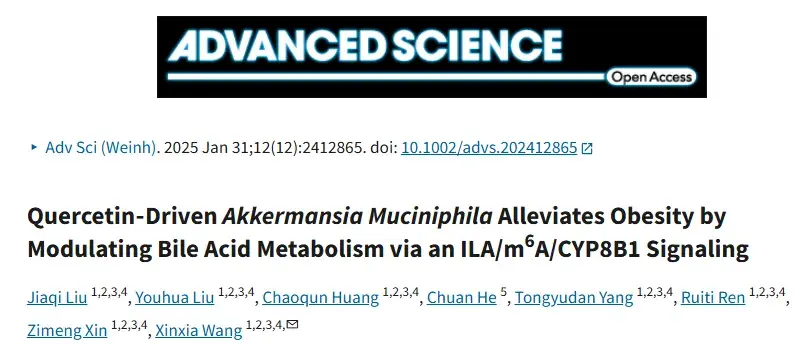
Study Reveals Novel Gut-Liver Pathway for Quercetin's Anti-Obesity Effects
Groundbreaking metabolic research demonstrates how standardized dietary quercetin influences intestinal microbiome diversity and downregulates hepatic lipogenesis via direct gut-liver signaling cascades, opening new avenues for metabolic wellness formulas.
Explore Findings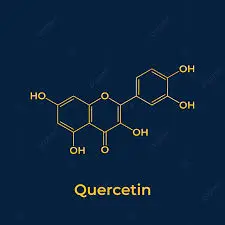
Review Maps Quercetin's Multi-Target Mechanisms and Natural Sources
A rigorous phytochemical literature mapping examining quercetin's cellular anti-inflammatory mechanisms, Nrf2 pathway stimulation, and comparative bioavailability across extraction sources including Sophora japonica and Ginkgo leaves.
Review Science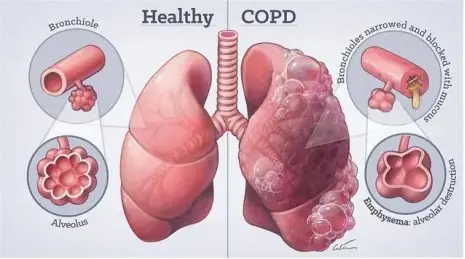
Research Highlights Quercetin's Lung-Protective Potential
Investigating pulmonary endothelial cellular protection: how bioflavonoids attenuate mast-cell histamine degranulation, scavenge airborne particulate oxidants, and support bronchial mucosal barrier integrity amid rising environmental stressors.
Discover More
Quercetin Shows Multi-Target Potential in Alzheimer's Research
Translational preclinical trials elucidate how high-purity botanical flavonoids interrupt beta-amyloid fibrillization, suppress tau hyperphosphorylation, and preserve synaptic plasticity in neurodegenerative pathology models.
Read StudyFrequently Asked Technical Sourcing Questions (FAQ)
Direct answers to the critical compliance, testing, and production questions formulated by global QA directors and botanical ingredient buyers.
Which certifications do UniCare's partner manufacturing facilities hold?
What are the precise analytical release testing specifications for Ginkgo Biloba extract?
How do you definitively verify that Ginkgo Biloba extract has not been spiked with Sophora or Rutin?
What standard documentation accompanies every commercial shipment?
Can UniCare customize extract specifications, particle mesh, and water solubility?
What is the shelf life, recommended storage protocol, and packaging format?
How can global procurement teams request pre-shipment samples and supplier audits?
Standardized Industrial Phytochemical Platforms
Explore our full line of active herbal extracts, manufactured under continuous countercurrent extraction with batch-verified potency.


Qualifying a Standardized Ginkgo Biloba Factory Partner?
Request full monographic specifications, HPLC-DAD and HPLC-ELSD authentic batch chromatograms, regulatory dossiers (CEP/GMP), and lab evaluation samples. Our technical sales engineers respond within 24 hours.
Corporate Procurement Desk
- Facility: UniCare Bio-Tech Co., Ltd. (Chengdu Hi-Tech Zone, Sichuan, China)
- Address: No. 56 Tianhui Middle St, #B-1519, Hi-Tech Zone, Chengdu, 610041
- Inquiries: [email protected]
- Telephone: +86-028-85333989
- WhatsApp: +86 18010560414