
Featured Standardized Active Botanical Extracts
Factory-direct botanical extracts manufactured under GMP, EU-GMP, and ISO 22000 quality systems, validated via HPLC chromatographic finger-printing for premier international formulators.








Global Quercetin Market Trajectory: 2025–2035 Industry Evolution
Quercetin (3,3',4',5,7-pentahydroxyflavone) has transitioned from a niche nutritional antioxidant into a globally demanded pharmaceutical intermediate, senolytic agent, and immunological core active. Understanding market macro-shifts is critical for brand procurement officers negotiating commercial supply contracts.
The Senolytic & Cellular Longevity Boom
The publication of groundbreaking longevity studies pairing Quercetin with tyrosine kinase inhibitors (such as Dasatinib) to selectively clear senescent cells has transformed quercetin from a simple immune-support flavonoid into a primary cornerstone of cellular rejuvenation, anti-aging, and healthspan extension formulations worldwide.
Shift to High-Yield Countercurrent Hydrolysis
Traditional multi-step batch acid hydrolysis of Rutin (derived from Sophora japonica L. flower buds) generated massive environmental burdens and erratic isomeric impurities. Modern global manufacturers have engineered automated closed-loop continuous countercurrent enzymatic and catalytic hydrolysis setups that deliver higher purity with minimized carbon intensity.
Stringent Global Pharmacopeia Harmonization
Regulatory agencies including the US FDA, European EMA, and Japanese PMDA demand uncompromising traceability. Buyers now require comprehensive compliance across USP, EP, and FCC monographs—encompassing strict limits on residual ethanol, total polycyclic aromatic hydrocarbons (PAHs), ethylene oxide (ETO), and heavy metals (As, Cd, Pb, Hg).
Global Procurement Audit: The HPLC vs. UV Spectrophotometric Trap
A major risk in commercial Quercetin sourcing is the analytical discrepancy between UV-Vis spectrophotometry and High-Performance Liquid Chromatography (HPLC). Low-tier exporters routinely exploit UV testing to overstate assay percentages, masking degraded polyphenol polymers or unreacted rutin intermediates.
| Analytical Parameter | USP / European Pharmacopoeia (EP) Benchmark | UV-Vis Screening (Outdated Industry Practice) | UniCare UHPLC / ICP-MS Standard Protocol |
|---|---|---|---|
| Assay Determination (Potency) | ≥ 95.0% to 102.0% (Anhydrous Basis) via HPLC | Frequently reports > 98% due to non-specific light absorption of related bioflavonoid impurities | Validated Reverse-Phase UHPLC (Agilent 1290 / Shimadzu LC-20AT) calibrated against USP primary reference standards |
| Related Substances & Impurities | Isorhamnetin ≤ 0.5%, Kaempferol ≤ 0.5%, Total Impurities ≤ 2.0% | Blind to individual flavonol structural analogs | Quantitative resolution of Isorhamnetin, Kaempferol, and Quercetin-3-O-rutinoside within batch chromatograms |
| Residual Extraction Solvents | ICH Q3C Class 3 Solvents (Ethanol ≤ 5,000 ppm; Methanol ≤ 3,000 ppm) | Not monitored; presents consumer safety and volatilization risks | Shimadzu GC-2010 Headspace Gas Chromatography with flame ionization detection (FID); < 1,000 ppm Ethanol verified |
| Heavy Metal Limits | Pb ≤ 0.5 ppm, As ≤ 0.5 ppm, Cd ≤ 0.2 ppm, Hg ≤ 0.1 ppm | Colorimetric chemical testing (non-specific, high error margin) | Inductively Coupled Plasma Mass Spectrometry (ICP-MS) providing parts-per-billion (ppb) resolution for every commercial lot |
| Polycyclic Aromatic Hydrocarbons (PAHs) | Benzo[a]pyrene ≤ 10 ppb, Sum of 4 PAHs ≤ 50 ppb (EU 2015/1933) | Frequently undetected; significant barrier at European customs | Triple-Quadrupole GC-MS/MS validation ensuring non-detectable or ultra-trace compliant levels |
Complete Batch Release Documentation Matrix
When approving a verified Quercetin manufacturer factory, international quality auditors must receive complete, tamper-proof analytical packages rather than simple one-page COAs. UniCare guarantees full audit trail data with every dispatch:
- Batch Certificate of Analysis (COA): Validating assay by HPLC, water content (Karl Fischer titration), loss on drying, bulk density, tapped density, and particle size distribution (mesh 80 through 200).
- Botanical Origin Authentication: Botanical identification confirming derivation from Sophora japonica L. (Styphnolobium japonicum) or Dimorphandra mollis using HPTLC fingerprint overlays.
- Comprehensive Contaminant Statements: Non-GMO declarations, TSE/BSE certifications, allergen-free verifications, and ETO-free (Ethylene Oxide) treatment records.
- Full Regulatory Dossiers: Material Safety Data Sheets (MSDS / SDS in 16-section GHS format), technical specifications, stability data under ICH zone IVb conditions, and full flowcharts.
China Factory 4.0: Supply Chain Resilience, Automation & Scale
China supplies more than 85% of the world's raw rutin and refined quercetin bioflavonoids. Moving beyond manual legacy operations, UniCare's manufacturing alliances deploy cutting-edge Industry 4.0 intelligent infrastructures, ensuring unbreakable supply security, stable pricing, and molecular uniformity.
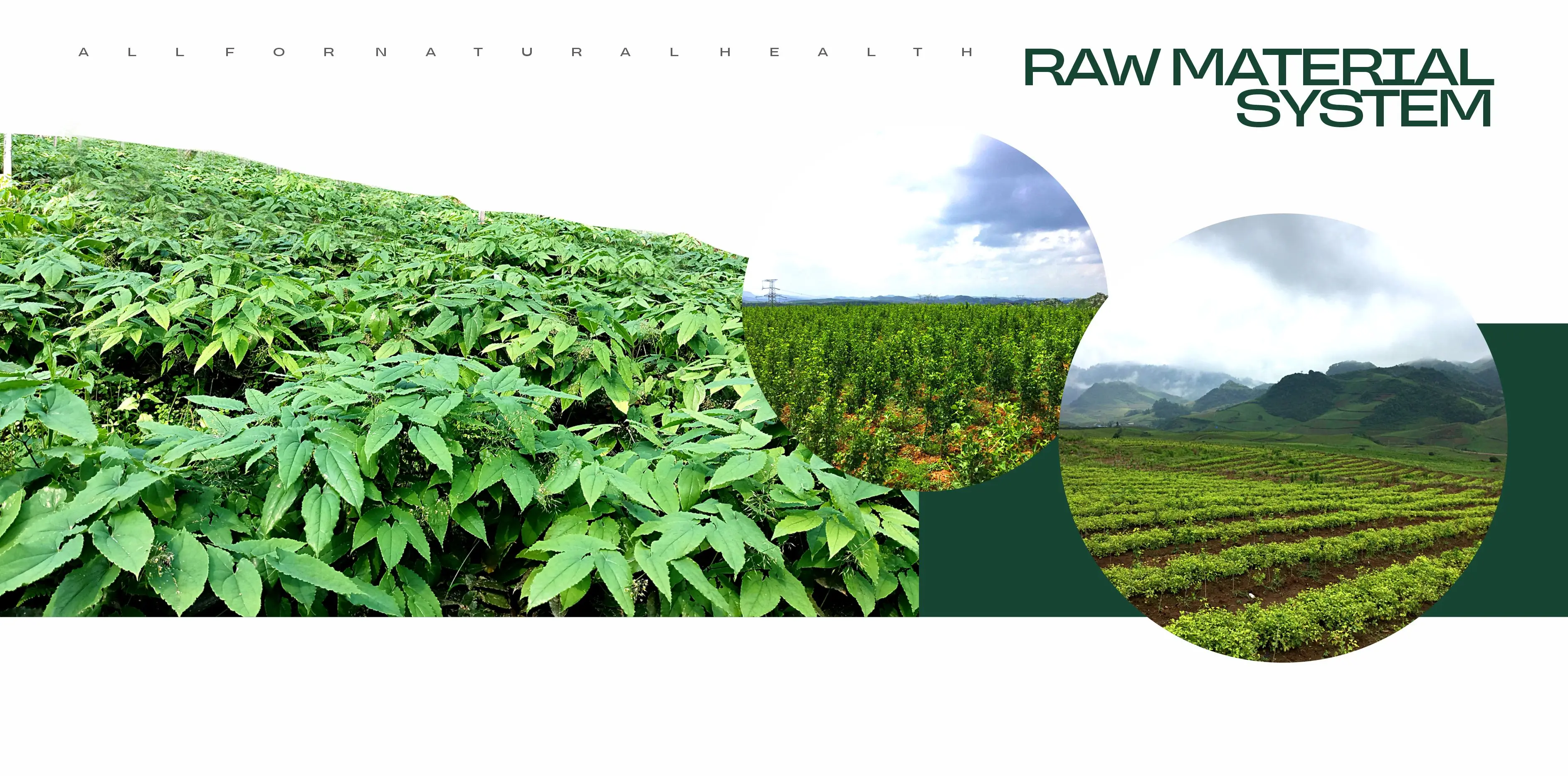
Agricultural Aggregation
Traceable cooperative planting belts spanning Shaanxi, Henan, and Guangxi ensure non-GMO Sophora japonica flower buds harvested at optimal rutinoside accumulation stages.
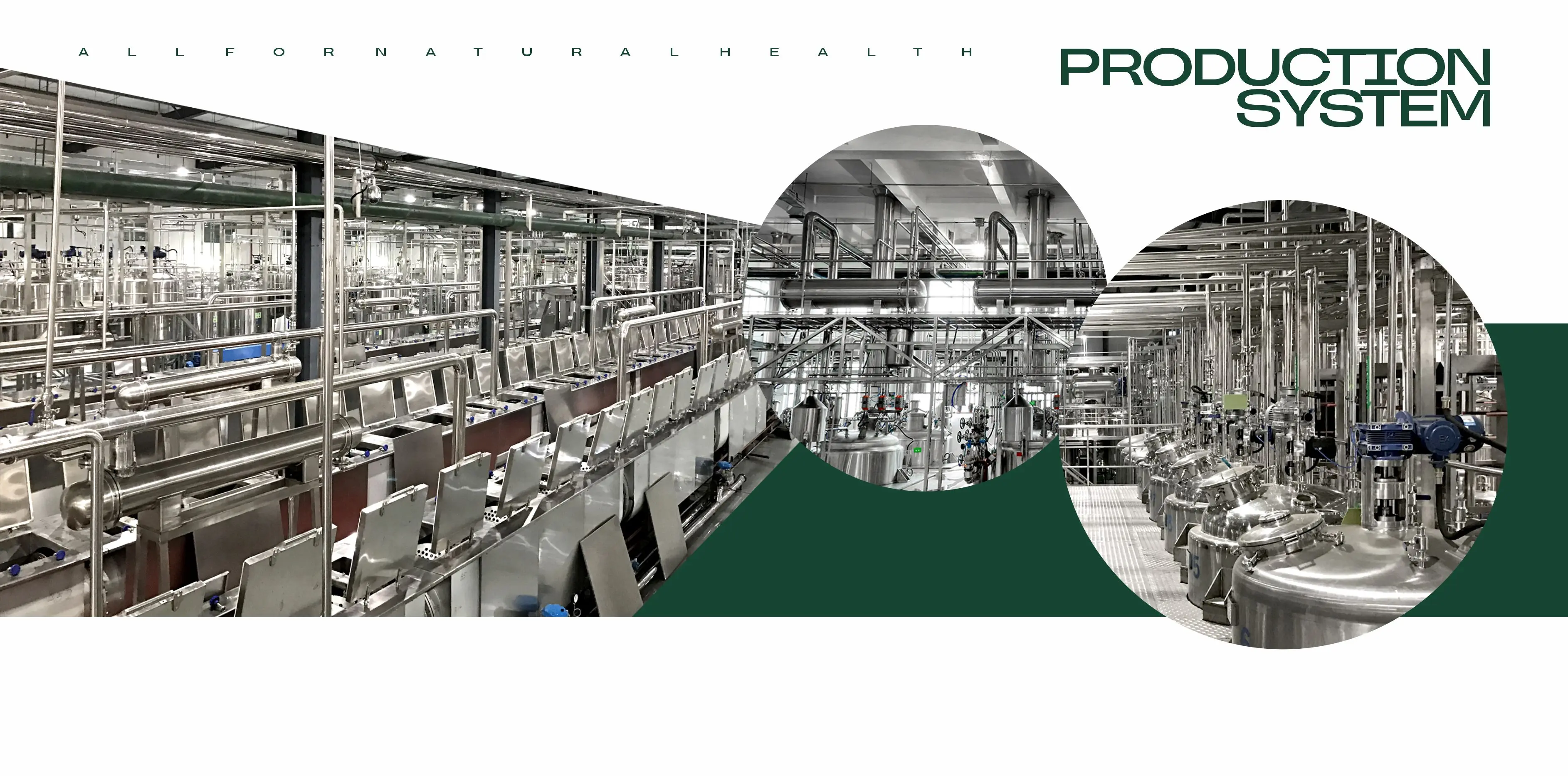
DCS Continuous Extraction
Distributed Control System (DCS) monitoring temperature, flow rate, and residence time across continuous countercurrent extractors, maximizing active extraction yield while lowering energy usage by 38%.
Enzymatic Cleavage & Refining
Precision catalytic deglycosylation stripping the rhamnose-glucose sugar moieties from Rutin to yield crystalline Quercetin dihydrate and anhydrous crystals under automated pH control.
Cleanroom Micronization
Class 100,000 cleanroom air-jet micronization delivering tailor-made particle size distributions (D50 < 5µm, D90 < 10µm) engineered specifically for superior solubility and bioavailability.
Why Smart Manufacturing Directly Benefits Global Brand Formulators
In an era marked by volatile freight corridors and escalating input costs, China's Factory 4.0 ecosystem provides unparalleled advantages over regional fragmented toll processors:
- Continuous Batch-to-Batch Uniformity: Fully automated crystallization and temperature profiles prevent polymorphism shifts, guaranteeing identical bulk density and dissolution rates across multi-ton shipments.
- Optimized Cost-to-Potency Yield: Integrating closed-loop solvent recovery (> 95% ethanol reclamation) significantly reduces production overhead, insulating contracted B2B buyers from raw material cost spikes.
- Digital Audit Trails & MES Integration: Manufacturing Execution Systems (MES) capture real-time process parameters, generating electronic batch production records (eBPR) readily available for foreign regulatory reviews.
- Comprehensive ESG & Carbon Neutrality Pathways: Heat integration and biomass recycling from residual Sophora meal ensure complete alignment with Western brand sustainability mandates.
Global Commercial Landscape: Primary Application Vectors
Quercetin’s potent molecular structure—featuring a catechol group in ring B, a 2,3-double bond in conjugation with a 4-oxo function, and hydroxyl groups at positions 3, 5, and 7—enables exceptional biological flexibility across five distinct global industrial sectors.
Dietary Supplements & Sports Nutrition
Quercetin inhibits mitochondrial permeability transition pore opening and enhances mitochondrial biogenesis via PGC-1α activation. In sports nutrition, it is widely formulated to enhance VO2 max, reduce post-exercise oxidative muscle damage, and accelerate systemic muscle recovery in endurance athletes.
Immunology & Mast Cell Stabilization
Clinical literature highlights quercetin’s capacity to stabilize human mast cell membranes, inhibiting IgE-mediated histamine release and attenuating pro-inflammatory cytokine expression (TNF-α, IL-6, and IL-8). It serves as a natural therapeutic staple for seasonal respiratory comfort and allergen resilience.
Functional Foods & Clean-Label Beverages
With US FDA GRAS (Generally Recognized as Safe) self-affirmation statuses and expanded EFSA Novel Food allowances, water-dispersible quercetin grades are seamlessly integrated into functional sports beverages, RTD antioxidant elixirs, fortified wellness gummies, and clean-label meal replacements.
Nutricosmetics & Topical Dermal Protection
Quercetin’s robust free radical scavenging activity effectively neutralizes reactive oxygen species (ROS) induced by UVA and UVB solar irradiation. In high-end dermatological creams and nutricosmetic powders, it downregulates matrix metalloproteinase-1 (MMP-1), actively protecting dermal collagen and elastin architecture.
Engineering Bioavailability: Solving the Lipophilic Dissolution Challenge
Standard Quercetin crystalline aglycone exhibits Biopharmaceutics Classification System (BCS) Class II characteristics: high intestinal membrane permeability coupled with exceptionally poor aqueous solubility (< 0.01 mg/mL at 25°C). Premier contract manufacturers leverage four primary delivery innovations to multiply biological absorption.
Quercetin Phytosome & Liposomal Technology
Complexing quercetin molecules with food-grade phospholipids (such as sunflower phosphatidylcholine) at a 1:1 or 1:2 stoichiometric ratio. This molecular encapsulation creates amphiphilic vesicles that facilitate passage across the unstirred aqueous boundary layer in the small intestine, providing up to a 20-fold increase in human plasma bioavailability compared to unformulated powder.
Synergistic Stacks: Zinc Ionophore Dynamics
Quercetin functions as a lipophilic zinc ionophore, actively transporting divalent zinc cations (Zn²⁺) across cell lipid bilayers into the cytoplasm. When co-formulated with Zinc Picolinate or Bisglycinate, alongside Bromelain (which enhances intestinal mucosal permeability) and Ascorbic Acid (which recycles oxidized quercetin back to its active form), clinical potency is exponentially amplified.
Enzymatically Modified Isoquercitrin (EMIQ)
Through enzymatic transglycosylation, glucose chains are attached to the flavonol aglycone core to create water-soluble Isoquercitrin and alpha-glucosyl derivatives. This molecular engineering achieves rapid enzymatic cleavage by mucosal lactase phlorizin hydrolase (LPH) in the intestinal brush border, yielding superior AUC pharmacokinetic curves for rapid-onset formulations.
State-of-the-Art Analytical Infrastructure
UniCare Bio-Tech and its integrated partner facilities uphold a verified zero-defect release policy. Testing laboratories are fully outfitted with enterprise-grade chromatographic and spectrometric instruments, providing unquestioned evidentiary confidence for global brand audits:
Partner Analytical Instrumentation Summary:
Independent third-party laboratory verification (Eurofins, SGS, NSF International) is available on demand for lot-by-lot correlation testing.
Frequently Asked Questions (FAQ) for Enterprise Procurement
Key regulatory, technical, and commercial questions answered by our Senior Formulation Specialists and Quality Directors.
Explore Allied High-Potency Botanical Extracts
Standardized plant actives and antioxidant concentrates manufactured to exacting international pharmacopeial limits, available for multi-container consolidated export dispatch.


Secure Direct Factory Pricing for Commercial Quercetin Orders
Partner directly with China’s premier certified botanical manufacturer. Inquire today to receive current lot COAs, full HPLC chromatograms, qualification audit packets, and multi-metric commercial quotations within 24 business hours.