
Standardized Botanical Extracts & Ingredients
Explore our industrial-scale active ingredients, tested batch-by-batch via high-performance liquid chromatography (HPLC) and certified for international regulatory compliance.








Macro Dynamics of Sophora Japonica Fruit Extract Supply Chains
Strategic analysis of botanical extraction platforms, phytochemical isolation paradigms, and shifting B2B procurement imperatives across pharmaceutical, nutraceutical, and cosmeceutical sectors.
Global Procurement Volatility
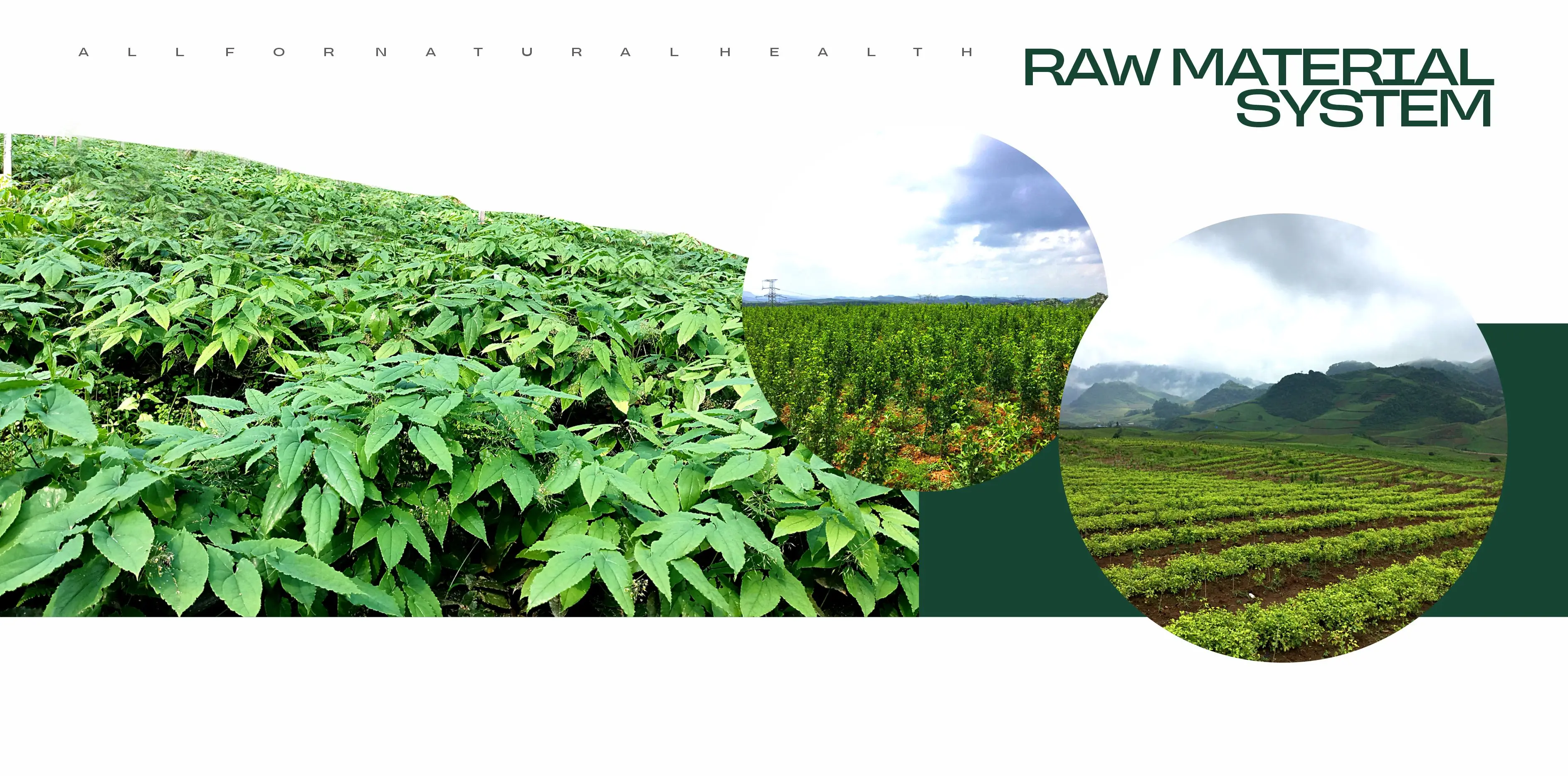
Enterprise procurement teams face tightening regulatory tolerances under European Pharmacopoeia (EP) and United States Pharmacopeia (USP) monographs. Ensuring consistency in marker phytochemicals like Genistein and Sophoricoside necessitates selecting extraction factories with dedicated agronomical reserves rather than transactional raw material brokers.
Phytochemical Standardization
The botanical fruit of Sophora japonica L. (Styphnolobium japonicum) yields distinct therapeutic targets compared to its flower buds (Flos Sophorae). Whereas buds serve primarily as commercial raw material for Rutin and Quercetin synthesis, mature fruits contain structurally complex isoflavone glycosides critical for metabolic, cardiovascular, and bone-density therapeutic pipelines.
Mitigating Adulteration Risks
Analytical verification via high-resolution chromatographic testing is paramount. Sourcing teams increasingly encounter diluted extract ratios and synthetic isoflavone spiking. UniCare counteracts counterfeit supply chains through batch-specific UHPLC-MS fingerprinting and multi-element trace residue screens.
Macro Industrial Solutions for Global Supplement & Pharma Brands
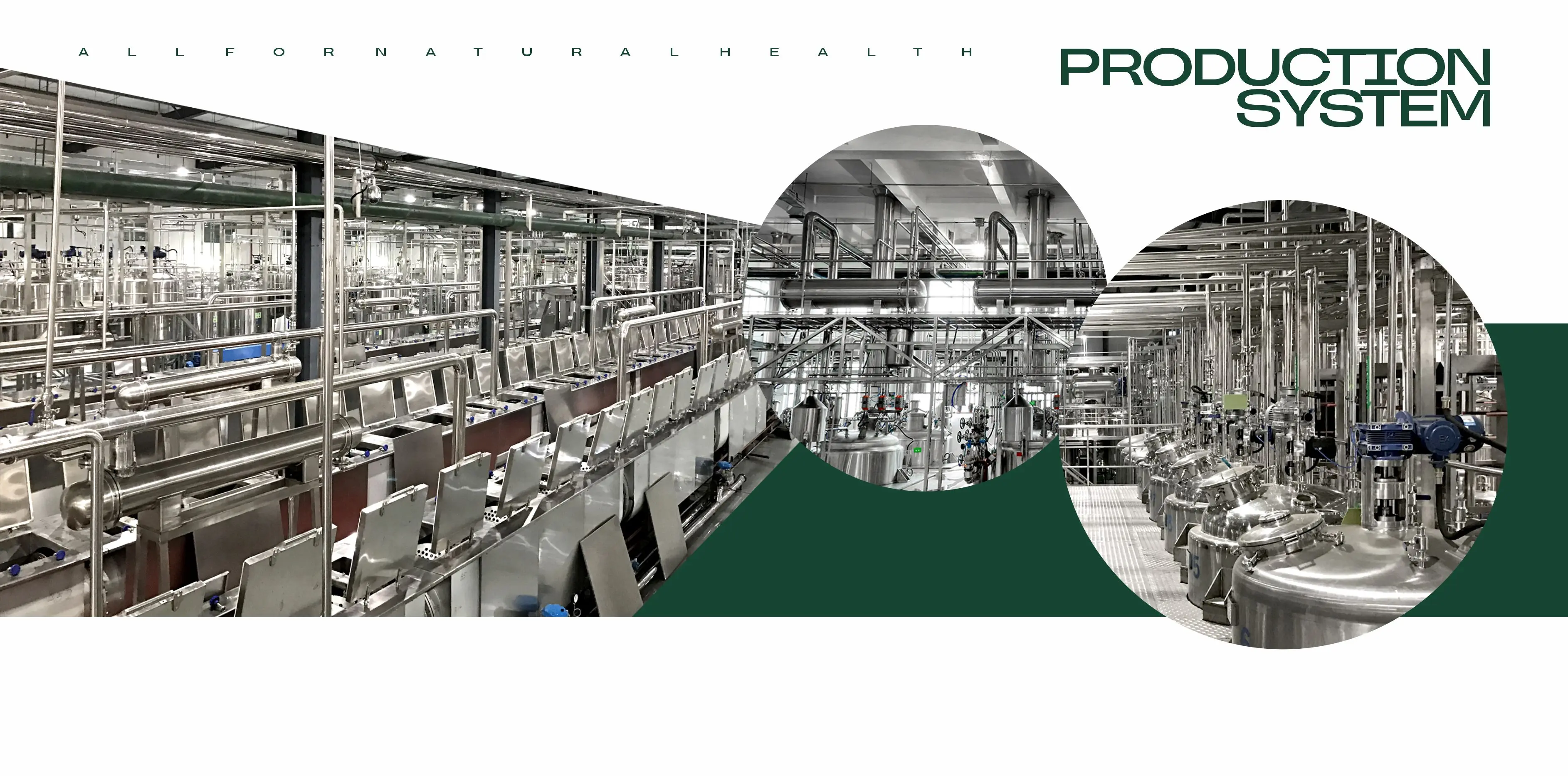
Rather than relying on isolated batch kettles, our partnered production infrastructure leverages automated continuous countercurrent extraction towers. This engineering standard guarantees that active polyphenol and flavonoid concentrations remain strictly stabilized from lot to lot without thermal degradation.
Our extraction facilities operate comprehensive solvent recovery, low-temperature vacuum crystallization, and membrane nanofiltration systems. This produces ultra-refined Sophora Japonica derivatives customized precisely to client-specific dissolution profiles, bulk densities, and mesh grain distributions (80 mesh to fine micronized 200 mesh).
Engineering Roadmap: From Harvested Pod to Released API Lot
A multi-tiered quality release methodology engineered to meet rigid compliance demands across North American FDA FSMA regulations, EU EFSA guidelines, and Japanese PMDA criteria.
Botanical Traceability
Systematic origin batch tagging across contracted plantation forests. Raw pods undergo DNA barcoding, moisture standardization, and non-target screen for organochlorine residues.
Dynamic Extraction
Solvent-matrix optimization via hydro-alcoholic countercurrent extraction under strictly controlled temperature curves, preventing thermolabile isoflavone cleavage.
Chromatographic Clean-Up
Macroporous adsorption resin columns purify specific marker fractions, eliminating heavy tars, inorganic salts, and solvent traces down to strict ICH guidelines.
Cleanroom Spray Drying
Class 100,000 cleanroom atomization drying and multi-point metal detection ensure uniform physical powder characteristics, instantaneous solubility, and sealed nitrogen vacuum packs.
Localized Support & Full Regulatory Dossier Provision
Entering advanced global consumer health markets requires far more than basic bulk logistics. UniCare arms enterprise client teams with turnkey technical documentation packages, eliminating procurement friction and accelerating commercial time-to-market.
Standardized Extract Portfolio & Sourcing Solutions
Integrate your botanical raw material procurement across our high-potency, analytically tested herbal and fruit extract solutions.


Frequently Asked Procurement & Technical Inquiries
Direct responses from our regulatory and phytochemical analytical departments to resolve common qualification bottlenecks.
What analytical distinction differentiates Sophora Japonica Fruit from Sophora Japonica Flower Bud extracts?
How does UniCare prevent cross-contamination and ensure batch reproducibility for Genistein?
What specific pesticide, heavy metal, and solvent residues are screened in release testing?
Can UniCare customize particle size, tap density, and carrier formulations for direct-compression tableting?
What documentation is furnished for prospective vendor audits and regulatory submission?
Accelerate Your Botanical Ingredient Formulation
Bridge the gap between raw botanical science and global regulatory assurance. Connect directly with our Chengdu engineering team to request commercial pilot samples, validation COAs, and competitive contract manufacturing quotes.