
Standardized Extract Portfolio — Top Sourcing Selections
Chromatographically qualified botanical APIs and nutraceutical active ingredients produced under cGMP, ISO, and EU-GMP compliant Chinese partner infrastructures.








Commercial Status & Global Sourcing Realities of Phellodendron Chinense
Bridging traditional botanical pharmacology with contemporary high-throughput extraction engineering to satisfy soaring international demand for metabolic regulation agents.
Southwest China: The Native Geographic Hub
Phellodendron chinense Schneid., historically documented as "Chuan Huang Bo" (川黄柏), is indigenous to the mountainous regions of Sichuan, Guizhou, and Hubei. The distinct sub-alpine microclimate and mineralized karst soils foster secondary metabolite biosynthesis, yielding crude bark berberine concentrations consistently between 5.0% and 8.5%—significantly surpassing northern variants.
The Botanical Authenticity Mandate
Global regulatory bodies (US FDA 21 CFR 111, EFSA) are strictly interrogating synthetic adulteration. Low-cost coal-tar synthetics often mimic natural berberine. Qualified Chinese exporters utilize Carbon-14 (C14) radiocarbon isotope verification and multi-wavelength UHPLC fingerprinting to prove authentic botanical derivation from wild-crafted or sustainably farmed Rutaceae bark.
Supply Chain Consolidation & Scale
Consolidated Chinese extraction facilities in Chengdu and surrounding Sichuan bioparks have replaced artisanal workshops. Integrating high-throughput countercurrent processing, computerized solvent recovery, and strict environmental compliance, the Chinese supply chain provides over 85% of the world’s standardized Phellodendron-derived isoquinoline alkaloid fractions.
Phytochemical Fingerprint: Chinense vs. Amurense Monograph Standards
Discerning secondary alkaloid variations between botanical taxons is essential for regulatory filings across the United States Pharmacopeia (USP), European Pharmacopoeia (Ph. Eur.), and Chinese Pharmacopoeia (ChP).
| Analytical Parameter | Phellodendron chinense Schneid. (Chuan Huang Bo) | Phellodendron amurense Rupr. (Guan Huang Bo) | Pharmacopeial Testing Standard |
|---|---|---|---|
| Primary Active Alkaloid | Berberine Hydrochloride (High: 5.0% - 9.0% raw bark) | Berberine Hydrochloride (Moderate: 1.5% - 4.5% raw bark) | Assay by RP-HPLC at 345 nm / UV Detector |
| Secondary Protoberberines | Jatrorrhizine, Palmatine, Phellodendrine, Magnoflorine | Palmatine (pronounced ratio), Phellodendrine, Candicine | UHPLC Fingerprint Identification (Rf / Retention Time) |
| Limonoid Terpenoids | Obacunone, Limonin (Dictamnolactone) | Limonin, Obaculactone | Thin Layer Chromatography (TLC) / GC-MS |
| Pharmacopeial Monographs | ChP Standard (Cortex Phellodendri Chinensis) | ChP Standard, USP Botanical Dietary Supplement | Pharmacopeial Conformity Verification |
| Industrial Utility | Preferred for high-yield Berberine HCl isolation & APIs | Commonly used for whole-spectrum granular decoctions | Downstream Solvent & Crystallization Capacity |
| Residual Solvents | Ethanol/Water loop: < 5,000 ppm USP <467> compliant | Ethanol/Water loop: < 5,000 ppm USP <467> compliant | Headspace Gas Chromatography (GC-FID) |
Alkaloid Potency Differentiation
Chromatographic profiles demonstrate that Phellodendron chinense yields an inherently distinct ratio of jatrorrhizine to palmatine compared to P. amurense. For high-purity isolation facilities targeting 97% to 98.5% Berberine HCl, chinense reduces recrystallization cycles, preserving thermal stability and minimizing solvent exposure.
Bioavailability Enhancing Limonoids
Beyond isolated alkaloids, whole-spectrum Phellodendron chinense extracts retain non-alkaloidal bitter limonoids, notably obacunone. Modern pharmacokinetic modeling demonstrates obacunone acts synergistically on human intestinal P-glycoprotein (P-gp), enhancing the cellular retention and mucosal permeability of co-administered flavonoids.
UniCare Partner Manufacturing Ecosystem & QC Instrumentation
Operating multi-site extraction facilities certified under GMP, EU-GMP, CEP, ISO 9001, ISO 22000, and HACCP, validated through sophisticated analytical chromatography.
Continuous Countercurrent Extraction
Our extraction lines utilize automated multi-stage continuous countercurrent extraction (CCE). By optimizing hydrodynamic contact times, temperature gradients (55°C–70°C), and food-grade ethanol ratios, active alkaloids are preserved without thermal degradation, boosting lot consistency by 24% over batch vessels.
Polymeric Resin & Membrane Fractionation
Downstream separation uses food-contact macroporous adsorption resins (D101/AB-8) coupled with ceramic microfiltration membranes (0.1–0.2 µm). This effectively strips heavy polysaccharides, inorganic salts, and lipophilic chlorophylls, producing a crystal-clear eluate tailored for high-assay standardized powders.
Vacuum Crystallization & Spray Drying
Low-temperature rotary falling film evaporation combined with clean-room vacuum freeze or spray drying guarantees precise physical powder engineering. Particle size distribution is consistently controlled between 80 to 200 mesh, yielding exceptional wettability and bulk density parameters.
| Analytical Instrument | Laboratory Quantity | Operational Function in QC Testing | Pharmacopeial Application |
|---|---|---|---|
| Agilent 1290 Infinity II UHPLC | 2 Operational Units | High-throughput alkaloid separation, rapid method assays | USP / Ph. Eur. Quantitative Assays |
| Agilent 1260 Infinity HPLC | 4 Operational Units | Routine batch release testing: Berberine, Flavonoids | Release COA Identity & Potency Verification |
| Shimadzu LC-20AT HPLC | 2 Operational Units | Secondary metabolite quantitation, stability trials | ICH Accelerated Shelf-Life Testing |
| Shimadzu ELSD 2000ES Detector | 2 Operational Units | Non-chromophoric terpenoid and sugar profiling | Limonin & Obacunone Detection |
| Dionex Ultimate 3000 HPLC | 2 Operational Units | Gradient ion chromatography, polysaccharide breakdown | Specialized Botanical Excipient Controls |
| Shimadzu GC-2010 Gas Chromatograph | 1 Unit with Headspace | USP <467> Residual solvent clearance (Ethanol, Methanol) | Class 1, 2, 3 Volatile Organic Solvents |
| Shimadzu AA-7000 / ICP-MS Unit | 1 Atomic Absorption/ICP | Trace heavy metal quantitation (Pb, As, Cd, Hg, Cu) | USP <232> / <233> Elemental Impurities |
Four Specialized Ingredient Platforms for Clinical Formulations
From research-backed cellular longevity molecules to standardized botanical extracts, each category is produced, tested, and documented for regulated B2B procurement.
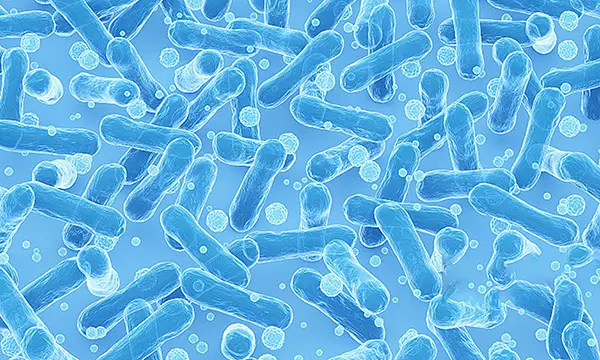
01. Nutraceuticals
Coenzyme Q10, β-Glucan, NMN, PQQ, Ergothioneine, Urolithin A, Spermidine, 5-HTP, and GABA. Engineered for mitochondrial and metabolic support.
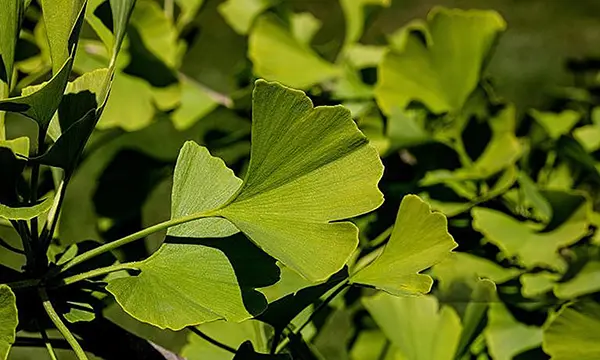
02. Botanical Extracts
Quercetin, Rhodiola Rosea, Panax Ginseng, Grape Seed, European Bilberry, Olive Leaf, and Epimedium. Standardized strictly to verified marker compounds.
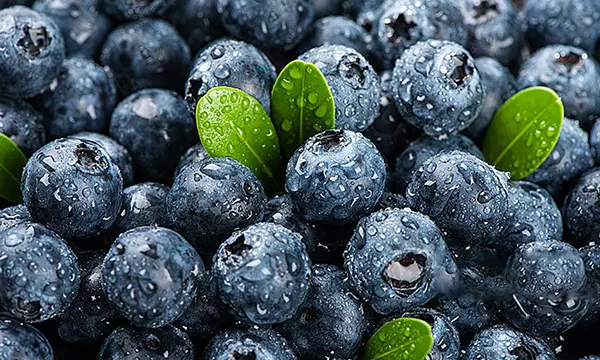
03. Fruit & Veg Powders
Blueberry, Cranberry, Raspberry, and Litchi powders. Vacuum dehydrated to protect natural color, authentic flavor, and intact polyphenol complexes.
04. Customized Services
Tailored assay adjustments, selective extraction ratios, micro-encapsulation, granulometry engineering (80–200 mesh), and custom batch packaging formats.
Most Requested Ingredients Directory (Direct Specification Access):
Select any reference ingredient below to access detailed batch documentation, validated assay ranges, and analytical chromatography certificates:
Industrial Application Scenarios & Downstream Formulations
Strategic deployment of Phellodendron chinense extracts across metabolic nutraceuticals, advanced derma-cosmetics, and pharmaceutical manufacturing.
Nutraceuticals: AMPK & GLP-1 Pathways
Widely utilized in premium metabolic support formulas. Standardized Berberine HCl activates adenosine monophosphate-activated protein kinase (AMPK), modulating hepatic gluconeogenesis and enhancing insulin receptor (InsR) expression. Often combined with piperine or sunflower lecithin to overcome intestinal efflux mechanisms.
Cosmeceuticals: Cutaneous Microbiome
In topical dermatological formulations, Phellodendron extracts deliver potent sebum-regulating and antibacterial efficacy against Cutibacterium acnes and Staphylococcus epidermidis. The alkaloid fractions downregulate toll-like receptor 2 (TLR2) mediated inflammatory cytokine cascades without disrupting skin moisture barriers.
Pharma APIs & Animal Health (AGP Alternatives)
Supplied as an Active Pharmaceutical Ingredient for anti-diarrheal oral suspensions and enteric coated tablets conforming to national pharmacopeias. In livestock and aquaculture, non-antibiotic feed additives exploit Phellodendron's broad-spectrum antimicrobial actions to preserve intestinal villi architecture without inducing microbial resistance.
Macro Supply Chain Solutions: Solving Global Procurement Bottlenecks
A systematic framework designed to mitigate adulteration, botanical variability, and tightening international environmental mandates.
Sustainable Silviculture & Tree Peeling
Traditional harvest methods that debark entire wild trees are ecologically non-viable. Our partner cooperatives enforce selective strip-peeling on managed 15-year-old Phellodendron agroforestry tracts in Sichuan. Trees regenerate bark across 3-year rotations, safeguarding native ecosystems while stabilizing supply pipelines.
Synthetic Adulteration Eradication
The price spread between coal-tar-derived chemical berberine and authentic plant-extracted berberine drives illicit market blending. UniCare guarantees third-party accelerator mass spectrometry (AMS) Carbon-14 testing, confirming 100% contemporary bio-based carbon with zero fossil-fuel derived synthetic additives.
Automated Solvent Loop Recovery
Addressing VOC emissions and solvent residues, our closed-loop ethanol recycling lines operate under nitrogen blanketing. Evaporative efficiency achieves 99.2% solvent recovery, preventing trace VOC cross-contamination and exceeding strict EU Regulation 2023/915 and USP <467> thresholds.
Recent Research & Botanical Industry Intelligence
Evidence summaries and supply chain insights informing product developers and procurement directors worldwide.
The "Natural" Berberine You Bought May Not Be Natural At All
Origin claims on berberine are under increasing scrutiny. This report investigates why plant-derived and synthetic materials look identical on generic spectrophotometric assays, and highlights chromatographic checks required to verify an authentic botanical chain.
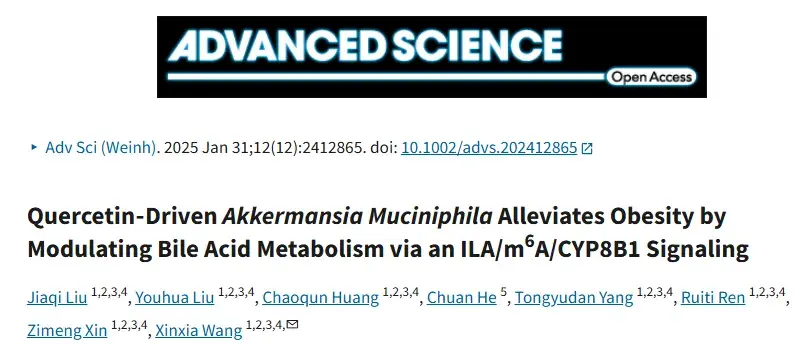
Study Reveals Novel Gut-Liver Pathway for Quercetin's Anti-Obesity Effects
Researchers describe a gut-liver signaling axis through which dietary flavonoids and isoquinolines modulate hepatic lipid accumulation, energy expenditure, and microbiome composition.
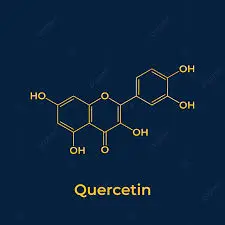
Review Maps Quercetin's Multi-Target Mechanisms and Botanical Synergies
A comprehensive review analyzing synergistic interactions between polyphenols and plant-based alkaloids in oxidative stress response, cardiovascular health, and mast-cell stabilization.
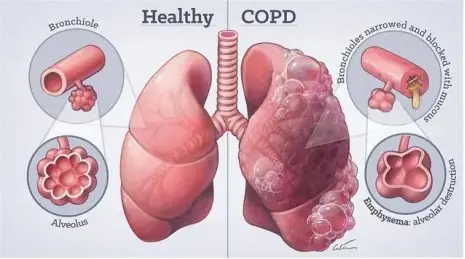
Research Highlights Flavonoid Lung-Protective & Anti-Inflammatory Potential
Investigating the protective mechanisms of standardized active botanicals on airway hyper-responsiveness, particulate matter exposure, and alveolar macrophage inflammatory responses.

Phellodendron & Quercetin in Neuroprotective & Alzheimer's Research
Examining blood-brain barrier permeability, beta-amyloid aggregation inhibition, and tau phosphorylation attenuation by naturally derived plant alkaloid and flavonoid molecules.
Supplier Qualification & Technical Procurement FAQ
Direct technical answers addressing the critical regulatory, quality assurance, and analytical criteria evaluated by international B2B ingredient purchasers.
Which certifications do UniCare's manufacturing partners hold?
How are UniCare botanical extracts tested before release?
What documents are supplied with each batch?
Can UniCare customize ingredient specifications?
How can buyers request a catalog or samples?
How is Phellodendron Chinense distinguished from synthetic Berberine HCl?
What are the typical heavy metal and pesticide limits for EU and US export?
Does Phellodendron bark require CITES documentation for international customs clearance?
Standardized Extract Portfolio — Extended Qualified Ingredients
Explore our companion active botanical extracts, verified across HPLC, GC-MS, and ICP-MS testing frameworks for functional food and supplement integration.


Qualifying a New Botanical Extract Supplier?
Contact UniCare Bio-Tech today for complete technical dossiers, batch Certificate of Analysis libraries, custom mesh sizing specifications, and sample evaluation kits shipped via international air courier.
No. 56 Tianhui Middle St, #B-1519, Hi-Tech Zone, Chengdu, Sichuan 610041, China
Email: [email protected] | Phone: +86-028-85333989
WhatsApp Direct Sales: +86 18010560414