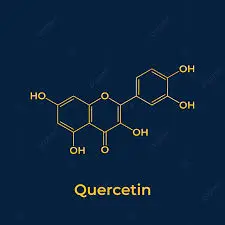
Rutin's chemical profile—featuring an intact quercetin aglycone conjugated with rutinose (6-O-(6-deoxy-α-L-mannopyranosyl)-β-D-glucopyranose)—delivers distinct pharmacological and physical behavior across diversified market verticals.
1. Cardiovascular & Vasoprotective Therapeutics
Primary Indication: Chronic venous insufficiency (CVI), hemorrhoidal pathology, diabetic retinopathy, and capillary fragility.
Mechanism of Action: Inactivates hyaluronidase enzymes and suppresses inflammatory protein kinase C (PKC) pathways, decreasing endothelial inter-cellular gaps and stabilizing microvascular basement membranes.
Downstream Derivatization: Serves as the pure chemical precursor for ethoxylation to yield Troxerutin (USP/EP) and water-soluble Sodium Rutin Sulfate APIs.
2. Advanced Dietary Supplements & Anti-Glycation
Formulation Synergy: Co-administered with Ascorbic Acid (Vitamin C), Citrus Bioflavonoids, and Bromelain.
Cellular Protection: Exhibits profound iron/copper chelation properties (Fenton reaction interruption), preventing oxidative low-density lipoprotein (ox-LDL) accumulation and intercepting advanced glycation end-products (AGEs).
Dissolution Innovation: UniCare delivers micronized powders (D90 < 20 μm) and co-granulated formats for rapid tablet direct compression.
3. Cosmeceuticals & Photoprotective Skincare
Target Claims: Erythema reduction, photoaging mitigation, ROS scavenging, and vascular microcirculation enhancement in rosacea formulations.
Photostability: Rutin acts as an organic broad-spectrum UV absorber (absorption peaks at λ 258 nm and λ 362 nm), protecting labile botanical actives and liposomal emulsions from solar photolysis.
Lipophilic Modifications: Specialized acetylated and glycosylated rutin derivatives offered to surpass water solubility challenges in clear cosmetic serums.
4. Clean-Label Food & Lipid Oxidation Retarder
Application Matrix: High-DHA marine oil emulsions, edible seed oils, meat processing, and functional functional beverage stabilizing systems.
Natural E-Number Alternative: Replaces synthetic antioxidant additives like BHT (butylated hydroxytoluene) and BHA. Suppresses free radical propagation in multi-phase fat matrixes.
Enzymatic Isoquercitrin Conversion: Transglycosylation technology converts low-solubility rutin into α-glucosylrutin, providing 10,000× greater aqueous solubility for crystal-clear beverages.
5. Modern Animal Nutrition & Antibiotic Replacement
Phytogenic Feed Additives (PFAs): Deployed in poultry, aquaculture, and swine feed to replace prophylactic antibiotic growth promoters.
Intestinal Integrity: Upregulates tight junction proteins (Claudin-1, Occludin) in livestock intestinal epithelium, mitigating heat stress and enteritis while significantly elevating livestock survival rates.
Cost-Effective Feed Grades: Available in standardized 80% to 95% botanical crude extract forms with verified heavy metal ceilings.
6. Specialized Industrial Synthesis & Reagents
Flavonoid Aglycone Cleavage: Scaled sulfuric and hydrochloric hydrolysis yields Quercetin (Anhydrous and Dihydrate) with yields exceeding 98%.
Enzymatic Hydrolysis Pathways: Selective enzymatic stripping of the rhamnose sugar moiety via rhamnosidase enzymes selectively outputs high-value Isoquercitrin (Quercetin-3-glucoside).
Fluorometric Reagent Applications: Employed in pharmaceutical laboratories for fluorometric and spectrophotometric determinations of metal ions (Al, Ga, In).