
Featured Standardized Phytochemical Ingredients
Batch-certified botanical active ingredients manufactured in cGMP, ISO, and HACCP facilities, complete with validated HPLC assays and origin traceability.








Ginseng Biloba Ginkgo Synergy: The Biochemistry of Dual-Action Vitality
A deep technical analysis into why combining Panax Ginseng root ginsenosides with standardized Ginkgo Biloba terpene lactones and flavone glycosides represents the gold standard in neuro-vascular cognitive formulations.
Panax Ginseng: Adaptogenic Bio-markers
Panax Ginseng C.A. Meyer contains triterpenoid saponins known systematically as ginsenosides. The primary bioactive markers monitored in certified pharmaceutical-grade production include the protopanaxadiol group (Rb1, Rb2, Rc, Rd) and the protopanaxatriol group (Rg1, Re, Rf). In high-performance sports and cognitive applications, rare minor ginsenosides such as Rg3, Rh2, and Compound K exhibit superior intestinal absorption through deglycosylation pathways, directly modulating the hypothalamic-pituitary-adrenal (HPA) axis and balancing cortisol secretions under chronic psychological stress.
Ginkgo Biloba: Microcirculatory Complex
Ginkgo Biloba extract (EGb 761 standard) is pharmacologically defined by two essential fractions: 24% Ginkgo Flavone Glycosides (principally quercetin, kaempferol, and isorhamnetin aglycones) and 6% Terpene Lactones (ginkgolides A, B, C, and bilobalide). Bilobalide and ginkgolide B function as potent antagonists of platelet-activating factor (PAF), reducing blood viscosity, decreasing erythrocyte aggregation, and significantly enhancing cerebral microcapillary perfusion and glucose utilization within ischemic brain regions.
Synergistic Pharmacodynamics
When blended into a unified botanical delivery matrix, Ginseng and Ginkgo provide a bidirectional physiological mechanism. While Ginkgo flavonoids dramatically enhance vascular compliance and endothelial nitric oxide (eNOS) phosphorylation to deliver oxygenated blood to neuronal tissue, Ginseng ginsenosides accelerate mitochondrial ATP generation by upregulating cytochrome c oxidase activity. This metabolic-perfusion pairing provides clinically documented improvements in sustained attention, working memory speed, and secondary cognitive fatigue resistance.
| Phytochemical Compound | Standardized Ratio / Assay | Primary Analytical Method | Pharmacopoeia Reference | Critical Impurity Limit |
|---|---|---|---|---|
| Panax Ginseng Extract (Root) | 10% - 80% Total Ginsenosides | HPLC-UV / UV-Vis | USP <561> / European Pharmacopoeia | Pesticides compliant with Ph. Eur. 2.8.13 |
| Panax Ginseng Extract (Stem & Leaf) | 80% Ginsenosides (Rg1+Re+Rb1+Rd) | HPLC Reversed-Phase (C18) | CP 2020 / Enterprise Standard | Heavy Metals < 10 ppm (ICP-MS) |
| Ginkgo Biloba Extract (CP Grade) | Flavone Glycosides ≥ 24%, Lactones ≥ 6% | HPLC / ELSD Detector | Chinese Pharmacopoeia 2020 | Ginkgolic Acids < 5.0 ppm (HPLC) |
| Ginkgo Biloba Extract (EP / USP Grade) | 24% Flavonoids, 6% Terpenes, Bilobalide ≥ 2.6% | HPLC-DAD / UHPLC | European Pharmacopoeia 10.0 / USP 43 | Ginkgolic Acids < 1.0 ppm / Sophora 0% |
| Dual Ginseng-Biloba Granulate | Customized 1:1, 2:1, or 4:1 Ratios | Multi-Channel HPLC Assay | Proprietary Validated Release | Residual Solvents (Ethanol) < 5,000 ppm |
Why China Is the Global Manufacturing Hub for Ginseng & Ginkgo
Harnessing indigenous geo-authentic agricultural reserves, cutting-edge automated multi-stage countercurrent extraction, and complete regulatory file transparency.
Geo-Authentic Daodi Terroir
China commands over 70% of the world's raw Ginseng biomass, predominantly nurtured in the pristine volcanic soils of Changbai Mountain, Jilin Province. Similarly, China preserves over 80% of native ancient Ginkgo forest reserves across Jiangsu, Shandong, and Guizhou provinces. This unique geographical authenticity guarantees rich baseline phytochemical concentration prior to batch processing.
Continuous Countercurrent Extraction (CCE)
Modern Chinese processing facilities have migrated away from batch kettle boiling to automated continuous countercurrent solvent extraction batteries. CCE ensures continuous contact between raw botanical biomass and optimized food-grade ethanol/water solvent gradients under precise temperature feedback, preventing thermolabile degradation of ginsenosides and preserving active lactone moieties.
Macroporous Resin Adsorption Tech
Separating active flavonoids while stripping hazardous alkylphenols (ginkgolic acids) necessitates sophisticated synthetic crosslinked macroporous polymer resins. Chinese state-of-the-art chromatography columns selectively desorb toxic allergens to sub-ppm levels, creating an ultra-pure botanical isolate fully compliant with stringent European Pharmacopoeia monographs.
Unrivaled Scale & Cost Efficiency
With annual processing capacities reaching tens of thousands of metric tons of botanical raw materials, leading Chinese extraction facilities provide multi-ton batch uniformities that mitigate pricing volatility for multinational enterprise buyers. Automated PLC crystallization, spray-drying towers, and in-line packaging lower unit overhead while safeguarding GMP reproducibility.
Agilent & Shimadzu UHPLC/HPLC testing units per partner facility
Ginkgolic Acid impurity threshold achieved for EU-GMP clients
Quality credentials: GMP, EU-GMP, CEP, ISO 9001, ISO 22000, HACCP
Batch-specific COA, GC-MS/MS pesticide and ICP-MS metal testing
Macro Trends, Adulteration Mitigation & Regulatory Shifts
The global botanical market is transitioning toward absolute authenticity, standardized chromatographic mapping, and proactive testing to defend against low-cost synthetic adulteration.
Adulteration Risks in Ginkgo Biloba
A rampant concern in international Ginkgo procurement is the artificial spiking of extracts with inexpensive flavonol aglycones or exogenous extracts, such as Sophora japonica (rich in rutin and quercetin) or buckwheat extracts. Traditional UV-spectrophotometry cannot distinguish between naturally bonded ginkgo flavone glycosides and free added flavonols. Advanced B2B buyers must enforce HPLC testing of the unhydrolyzed extract to verify natural glycoside distribution patterns and ensure that free quercetin, kaempferol, and isorhamnetin remain within strict compendial ratios.
Ginkgolic Acid Cytotoxicity Protocols
Ginkgolic acids (anacardic acids) are alkylphenol derivatives found naturally in raw Ginkgo leaves that possess severe contact allergenic, cytotoxic, and mutagenic properties. While basic dietary formulations allow under 5 ppm, premium pharmaceutical and EU nutraceutical manufacturers mandate ginkgolic acid concentrations below 1 ppm. Reputable manufacturing requires verified RP-HPLC assay protocols with fluorescence or photodiode array detection to document total ginkgolic acid elimination.
Clean Label & Novel Food Formats
The global functional consumer is migrating from hard compressed tablets toward clean-label softgels, cold-brew ready-to-drink (RTD) cognitive beverages, effervescent powders, and functional gummies. This shift triggers a technical need for agglomerated, instant-dissolving, water-soluble grades of Panax Ginseng and Ginkgo extracts that retain transparency in aqueous solutions without forming insoluble precipitates or astringent off-notes.
Targeted Industrial Formulation Solutions
Formulating with Ginseng Biloba Ginkgo extract powders across key consumer categories requires precise microencapsulation, particle size calibration, and excipient harmony.
Nootropic & Executive Focus
Combined with Phosphatidylserine, L-Theanine, and Bacopa Monnieri, standardized Ginseng-Biloba powders create an all-day mental clarity stack. The synergistic formula preserves acetylcholinesterase balance and sustains alpha-brain wave generation without caffeine-induced cardiovascular jitters.
Cardio & Peripheral Circulation
Engineered for cold extremities, venous tone, and blood elasticity. Paired with grape seed polyphenols and garlic extract, the formula triggers sustained endothelium relaxation and downregulates oxidized LDL aggregation in aging microvascular vascular beds.
Active Longevity & Vitality
Optimized for senior health and metabolic balance. Blending Panax Ginseng with Rhodiola Rosea and Coenzyme Q10 addresses chronic cellular fatigue, encourages mitochondrial biogenesis, and enhances physical recovery following aerobic exertion.
Cosmeceuticals & Hair Care
Topical dermaceutical applications leverage water-soluble fractions of Ginkgo and Ginseng to stimulate hair dermal papilla cell proliferation, promote cutaneous microcirculation, and scavenge UV-induced reactive oxygen species (ROS) in anti-photoaging serums.
Cross-Formulation Botanical Platform Catalogue
Procure direct-from-factory ingredients certified for complementary functional formulas:
Four-Tier Quality Governance & Chromatography Testing Matrix
Our partner manufacturing hubs deploy multi-million dollar analytical testing suites, releasing each botanical lot solely after exhaustive identity, assay, contaminant, and biological screening.
Analytical Instrument Fleet & Capabilities
Every commercial batch released through our supplier network is validated against USP, EP, or ChP reference standards utilizing cutting-edge laboratory instrumentation:
- Agilent 1290 Infinity II UHPLC (×2): Ultra-high-pressure separation for rapid identification of complex ginsenoside isomers and minor terpenes.
- Agilent 1260 HPLC Systems (×4): High-throughput quantification of Ginkgo flavone glycosides (quercetin, kaempferol, isorhamnetin).
- Shimadzu LC-20AT HPLC (×2) with ELSD 2000ES (×2): Evaporative light scattering detection for terpene lactones lacking UV chromophores.
- Dionex Ultimate 3000 HPLC (×2): High-precision autosampling and gradient elution for botanical active fingerprinting.
- Shimadzu GC2010 Gas Chromatograph: Verification of residual solvents (ethanol, methanol, acetone) in accordance with USP <467>.
- Shimadzu AA-7000 & ICP-MS: Sub-ppb sensitivity quantification of heavy metals: Lead (Pb), Arsenic (As), Cadmium (Cd), and Mercury (Hg).
Standard Regulatory Dossier Package
International regulatory compliance requires exhaustive documentation. Enterprise B2B purchasers receive full vendor qualification dossiers including:
- Batch-Specific Certificate of Analysis (COA): Validated results for assay, moisture, ash, sieve mesh analysis, heavy metals, residual solvents, and bio-burden.
- Pesticide Multi-Residue Screen (GC-MS/MS): Verification of over 400 agrochemical residues complying with European Pharmacopoeia 2.8.13 and FDA limits.
- Microbiological Pathogen Clearances: Total aerobic microbial count (TAMC < 1,000 CFU/g), total yeast and mold (TYMC < 100 CFU/g), negative for Salmonella, E. coli, and S. aureus.
- Compliance Declarations: Allergen-free, Non-GMO Project Verification statements, Non-Irradiation certificates, TSE/BSE risk-free statements, and Kosher/Halal certifications.
Recent Phytochemical Research & Industry Intelligence
Evidence-based summaries on botanical authenticity, clinical bioavailability enhancements, and therapeutic mechanism discoveries.
The "Natural" Berberine You Bought May Not Be Natural At All
Origin claims on commercial berberine often obscure synthetic chemical adulteration. Discover why standard COA assays can mask synthetic compounds and learn how Carbon-14 isotope testing defends authentic botanical sourcing.
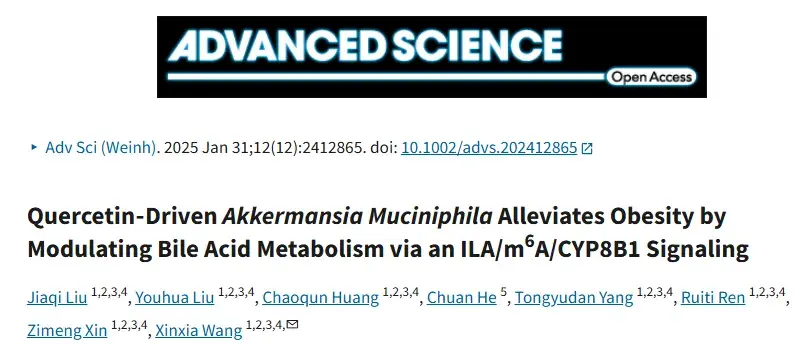
Novel Gut-Liver Pathway for Quercetin's Anti-Obesity Effects
Recent academic clinical literature demonstrates that dietary quercetin selectively remodels gut microbiota architectures, suppressing systemic hepatic lipogenesis through the AMPK/SREBP-1c biochemical signaling cascade.
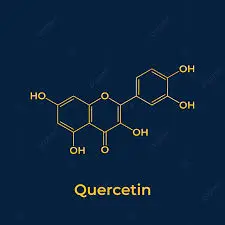
Review Maps Quercetin's Multi-Target Mechanisms
A thorough molecular overview establishing how naturally derived flavonols interface with cellular senolytic pathways, nuclear factor erythroid 2-related factor 2 (Nrf2), and cytokine balancing systems.
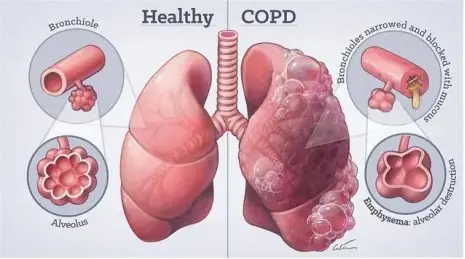
Research Highlights Quercetin's Lung-Protective Potential
Clinical models demonstrate quercetin’s protective capacity in stabilizing bronchial mucosal tissues against fine particulate atmospheric pollution.

Quercetin Shows Multi-Target Potential in Alzheimer's Research
Examining how polyphenolic flavonols reduce beta-amyloid peptide aggregation and neuro-inflammatory microglial hyperactivity in aging brains.
Frequently Asked Supplier & Manufacturing Questions
Essential technical, regulatory, and logistics answers for dietary supplement procurement officers, formulators, and QA auditing personnel.
Which certifications do UniCare's manufacturing partners hold?
How are UniCare botanical extracts tested and qualified prior to batch release?
What technical documentation accompanies each commercial order?
Can UniCare customize ingredient specifications, granulations, or ratios?
How do you guarantee that Ginkgo Biloba extract is free from adulteration and low in ginkgolic acids?
What are your standard packaging formats, minimum order quantities (MOQ), and shipping lead times?
Enterprise Order Catalogue & Bulk Procurement
Select from our verified production lots. Immediate documentation and sample shipments available for global brand qualifications.


Initiate Factory-Direct Supplier Qualification
Contact UniCare Bio-Tech's international technical sales division for comprehensive specification sheets, pilot sample requests, and regulatory dossiers within 24 hours.
Direct Tel: +86-028-85333989 | WhatsApp: +86 18010560414 | Email: [email protected]