
Featured Standardized Active Ingredients
Direct factory-floor wholesale batches with complete chromatographic validation, multi-residue pesticide clearance, and lot-specific Certificates of Analysis (COA).

Anabolic ecdysteroids for sports nutrition, muscular protein synthesis, and cellular adaptation pathways.
Best Ajuga Extract Suppliers, Exporters
Authentic adaptogenic root extract supporting neuro-endocrine homeostasis, stamina, and mitochondrial vitality.
China Rhodiola Rosea Extract Suppliers, Factory
Ultra-pure natural flavonoid aglycone targeting cellular senolysis, mast cell stabilization, and vascular elasticity.
China Quercetin Suppliers, Factories
High-potency PDE5 inhibitory prenylated flavonol glycoside standardized for male vigor and bone mineral density.
Wholesale Epimedium Extract Suppliers, Factory
Traditional Araliaceae active standardized for ginsenoside profile (Rb1, Rg1, Rd) for cognitive and immunological support.
Best Ginseng Extract Suppliers, Factories
Concentrated Punica granatum pericarp extract yielding microflora-activated urolithin precursors and radical scavengers.
Wholesale Pomegranate Extract Suppliers, Factory
Stabilized organosulfur compound matrix engineered for platelet aggregation support and antimicrobial activity.
Best Garlic Extract Factory, Exporter
Olea europaea secoridoid active validated for blood pressure modulation, LDL lipid defense, and immune health.
Best Olive Leaf Extract Exporter, ExportersThe Macro-Evolution of Global Botanical Ingredient Sourcing
How modern analytical phytochemistry, regulatory harmonization (USP, EP, CP), and automated industrial scaling have replaced archaic crude herbal extraction.
From Solvent Maceration to Targeted Chromatography
Historical botanical extraction relied on rudimentary open-tank ethanol or aqueous maceration, leading to high thermal degradation of thermolabile bioactives and wide batch-to-batch variability. Today, elite Chinese manufacturing facilities utilize continuous countercurrent extraction (CCE) paired with macroporous resin adsorption chromatography. This transition allows precise molecular fractionation, producing extracts standardized to exact active phytochemical isomers while systematically purging agrochemical impurities and heavy metal residues.
- Higher extraction yields with 40% lower thermal degradation
- Targeted enrichment of active aglycones & flavonoids
- Automated closed-loop solvent recovery systems
The Adulteration Crisis & Analytical Screening
With global consumer demand rising, the ingredient supply chain faces unprecedented challenges regarding economic adulteration. Synthetic spiking—such as petroleum-derived synthetic berberine hydrochloride or unhydrolyzed rutin artificially boosting spectrophotometric Quercetin UV readouts—compromises brand safety. UniCare implements hyphenated analytical protocols (UHPLC-QTOF-MS, GC-MS/MS, and Carbon-14 Isotope Ratio Mass Spectrometry) to distinguish natural bio-based molecules from synthetic analogs.
- C-14 radiocarbon dating to verify true botanical origins
- Specific HPLC marker separation resolving UV false positives
- Screening for synthetic PDE-5 analogs & adulterants
Global Monograph Harmonization: USP, EP, CP & JP
Operating across North American, European, and Asia-Pacific regulatory regimes requires unified pharmacopeial compliance. Sourcing directors can no longer rely on generic specification sheets. Every raw extract must align with USP <561> articles for pesticide residues, European Pharmacopoeia (EP 2.8.13) thresholds, and strict limits for polycyclic aromatic hydrocarbons (PAH4), ethylene oxide (EtO), and heavy metals (Pb, Cd, As, Hg) via Inductively Coupled Plasma Mass Spectrometry (ICP-MS).
- Fully validated testing matrices across 480+ pesticide screens
- Zero-tolerance Ethylene Oxide (EtO) sterilization policies
- Complete regulatory dossiers: DMF, TDS, SDS & Flow Charts
Why China Dominates the Global Botanical Extract Supply Chain
China accounts for over 75% of worldwide botanical extract manufacturing output. Understanding the structural, agricultural, and technological foundations that power this high-volume hub provides B2B buyers with strategic clarity.
1. Geo-Authentic Agricultural Bases (Daodi Herb Supply)
China's vast topography creates microclimatic ecological biomes that allow the commercial cultivation of distinct medicinal plants with optimized secondary metabolite yields. Sourcing authentic active herbs depends heavily on geographical provenance:
- Sichuan & Yunnan Basin: Ideal sub-tropical humidity for berberine-rich Coptis chinensis, Epimedium brevicornum, and polyphenol-dense botanical crops.
- Changbai Mountain (Jilin): Mineral-rich volcanic soils cultivating mature Panax ginseng, featuring optimal Rg1+Rb1 saponin ratios.
- Qinling Mountains (Shaanxi): The geopolitical heart of standardized extraction, providing high-altitude wildcrafted Rhodiola rosea and Sophora japonica (rutin/quercetin).
- Hunan & Guangxi: Micro-climates for Luo Han Guo (Monk Fruit) and Citrus aurantium (hesperidin/synephrine).
2. Megaton-Scale Continuous Countercurrent Engineering
Unlike fragmented Western processors constrained by small batch kettle maceration, top Chinese factories leverage mega-scale processing plants processing tens of thousands of metric tons of botanical biomass annually:
- Automated Continuous Extractors: Multi-stage countercurrent columns extract herbal active principles dynamically, minimizing solvent usage and operational labor costs.
- Integrated Vacuum Evaporators: Low-temperature falling-film vacuum concentration systems prevent thermal isomer degradation of delicate polyphenols and glycosides.
- Closed-Loop Solvent Recovery: Up to 98% solvent recycling rates drastically reduce per-kilogram manufacturing overhead and VOC emissions.
- Spray & Vacuum Freeze Drying Suites: Clean-room Class D and Class C drying installations produce free-flowing powders with tightly controlled bulk density and mesh distributions.
| Phytochemical Class | Representative Bioactive | Primary Industrial Extraction Technology | Standard Assay Validation Method | Key Procurement Criterion |
|---|---|---|---|---|
| Flavonols & Aglycones | Quercetin Dihydrate ≥95% | Alkaline hydrolysis of Rutin / Continuous Countercurrent | HPLC-DAD (USP/EP Monograph) | Free of synthetic rutin-derived degradation byproducts |
| Adaptogenic Glycosides | Salidroside ≥1-5%, Rosavins ≥3% | Hydroethanolic extraction & macroporous resin adsorption | HPLC Reverse-Phase C18 | Clear chromatographic distinction between R. rosea & R. crenulata |
| Steroidal Ecdysteroids | Turkesterone 2% - 10% | Supercritical CO2 co-solvent extraction / Column fractionation | HPLC with UV detection at 245nm | Total absence of spiked animal-grade ecdysone isomers |
| Prenylated Flavonoids | Icariin 10% - 98% | Reflux ethanol extraction & silica gel flash chromatography | HPLC Isocratic Method | Solvent residue <5000ppm ethanol; zero Class 1 halogenated solvents |
| Triterpenoid Saponins | Total Ginsenosides 80% | Aqueous ethanol countercurrent column separation | HPLC / UV Spectrophotometry | Differentiation of root vs. stem/leaf raw material origin |
The Four-Tier Analytical Testing Architecture
Quality assurance at UniCare is not an afterthought; it is integrated into the molecular verification stream. Every single commercial lot released undergoes four rigorous analytical checkpoints prior to shipment.
Tier 1: Identity & Authenticity
Confirmation of botanical species, plant part, and geographical origin.
- High-Performance Thin Layer Chromatography (HPTLC) fingerprinting
- Microscopic anatomical tissue screening
- DNA barcoding for whole genome sequence matching
Tier 2: Phytochemical Potency
Precise quantification of marker active molecules and secondary isomers.
- Agilent 1290 UHPLC / Dionex HPLC-DAD systems
- Elimination of false-positive UV spectrophotometric assays
- Batch-to-batch assay coefficient of variation (CV) < 2.5%
Tier 3: Contaminant Profiling
Exhaustive screening for environmental toxic elements and xenobiotics.
- ICP-MS for heavy metals: Lead (Pb), Arsenic (As), Cadmium (Cd), Mercury (Hg)
- GC-MS/MS & LC-MS/MS multi-residue pesticide screens (>480 compounds)
- Shimadzu GC-2010 for Class 1, 2, and 3 residual solvents
Tier 4: Bio-Physical Integrity
Verification of microbial limits, flow characteristics, and particle kinetics.
- Total Aerobic Microbial Count (TAMC), Yeast & Mold, Salmonella, E. Coli
- Laser diffraction particle sizing (80 mesh to 200 mesh micronized)
- Loss on Drying (LOD), tapped/bulk density, and ash content
Downstream Industrial Application Scenarios
How our wholesale botanical raw materials are adapted to complex formulations across global nutraceutical, cosmetic, functional food, and pharmaceutical applications.
1. Nutraceuticals & Hard Dietary Supplements
For two-piece hard gelatin or HPMC vegetarian capsules, compressed tablets, and dry powder stick-packs, physical particle flow and compressibility are as crucial as bioactivity. UniCare provides granulation-ready, non-hygroscopic spray-dried extracts. We adjust tapped density (0.45 - 0.65 g/mL) to optimize direct-compression tableting runs without capping or lamination.
- Optimized Dissolution: Engineered disaggregation speeds for rapid bioaccessibility in the gastric tract.
- Excipient Compatibility: Low water activity (Aw < 0.3) prevents cross-reaction with CoQ10, NMN, or multivitamin blends.
2. Functional Food, RTD Beverages & Gummies
Incorporating botanical extracts into Ready-to-Drink (RTD) liquids or pectin/gelatin gummies poses significant challenges regarding solubility, optical clarity, bitterness, and thermal denaturation during pasteurization. We provide specialized water-dispersible and cold-water-soluble botanical grades with organoleptic de-flavoring.
- Optical Clarity: Membrane-filtered powders dissolve transparently without haze, precipitation, or sedimentation.
- Thermal Stability: Phytochemical actives remain uncompromised throughout 85°C - 95°C HTST beverage bottling processes.
3. Cosmeceuticals & Dermocosmetics
Skin permeability, lack of skin irritation, and non-staining color profiles dictate the success of topical cosmetics. Our decolorized polyphenols and highly purified aglycones (such as Quercetin, Oleuropein, and Grape Seed Oligomeric Proanthocyanidins) are formulated into lipid nanoparticles, emulsions, and micellar cosmetic bases without causing yellow/brown oxidation.
- Transdermal Permeation: Ultra-micronized particle distributions (<10 μm) ensure stratum corneum delivery.
- Stability in O/W Emulsions: Resistance to light-induced degradation and compatibility with cosmetic preservative systems.
4. Phyto-Pharmaceuticals & Veterinary Health
Modern animal husbandry and phyto-pharmaceutical formulation require clean-label alternatives to antibiotic growth promoters (AGPs). Our standardized active garlic extracts (allicin), epimedium glycosides, and pomegranate ellagitannins act as natural immunomodulators and gut microbiome stabilizers compliant with feed hygiene directives.
- EU Feed Hygiene Regulation Compliance: Certified free from unauthorized chemical preservatives.
- High-Temperature Extrusion Resistance: Retains active biomarker assay during high-heat pet kibble pelletization.
Global Enterprise Procurement & Auditing Framework
A methodical guide for Chief Procurement Officers (CPOs) and Quality Assurance directors evaluating Chinese botanical extract factories.
Phase 1: Regulatory & Facility Due Diligence
Verify whether the manufacturer holds valid cGMP (21 CFR Part 111 / Part 117), EU-GMP, ISO 22000, and HACCP certifications. Cross-check whether manufacturing equipment is dedicated or multi-purpose. Ensure that cleanrooms operate under validated positive-pressure air handling units (AHU) with HEPA filtration to eliminate airborne microbial or allergen cross-contamination.
Phase 2: Lot Documentation Integrity
Examine three non-consecutive historical production lot COAs. Inspect the raw chromatograms (HPLC/GC), integration baselines, and retention times rather than just signed paper summaries. Ensure the laboratory utilizes certified Reference Standards (USP or EDQM) rather than self-prepared crude reference substances. Verify that test methods match stated compendial standards.
Phase 3: Supply Chain Resilience & Buffer Stocks
Assess raw botanical harvesting cycles and buffer stock policies. Sourcing botanical actives demands understanding agricultural vulnerabilities—droughts, seasonal frosts, or geopolitical trade shifts can disrupt feedstock availability. Elite factories maintain bonded warehouses, multi-origin agricultural backups, and rolling raw inventory guarantees.
Recent Clinical Science & Industry Intelligence
Peer-reviewed evidence summaries and technical reports informing high-efficacy formulation development.
The "Natural" Berberine Alert: Synthetic Adulteration Unveiled
An investigative report breaking down why petroleum-derived chemical berberine synthetic material appears identical to botanical Coptis extracts on simple UV tests, and how C-14 radiocarbon and NMR assays protect consumer brands from regulatory action.
Read Technical PaperQuercetin Gut-Liver Signaling Pathways in Metabolic Syndrome
Zhejiang University clinical trials reveal novel mechanisms through which Quercetin modulates gut microbiota, down-regulates hepatic lipid accumulation, and optimizes inflammatory cytokine release in insulin-resistant subjects.
Explore Clinical DataMulti-Target Potential of Bioflavonoids in Cognitive Aging
An authoritative systematic review analyzing how standardized polyphenol fractions cross the blood-brain barrier (BBB) to attenuate beta-amyloid aggregation and reduce neuro-inflammation in degenerative preclinical models.
View Study SummaryFrequently Asked Technical & Procurement Questions
Clear, documented answers regarding manufacturing standards, testing protocols, and compliance for corporate vendor onboarding.
Which quality certifications do UniCare’s partner manufacturing factories hold?
How are botanical active assays and marker compounds tested before batch release?
How do you detect and prevent synthetic adulteration in botanical extracts like Quercetin or Berberine?
1. C-14 Isotope Ratio Mass Spectrometry (IRMS): Measures the percentage of modern biogenic carbon versus fossil-fuel-derived synthetic chemicals.
2. HPLC Chiral & Related Substances Profiling: Unmasks chemical synthesis intermediates and catalysts not found in natural plants.
3. HPTLC Fingerprinting: Compares the total chromatographic profile against wildcrafted voucher specimens to verify the authentic botanical profile.
What specific documentation is provided with every shipment?
• Technical Data Sheet (TDS) and Manufacturing Process Flow Chart
• Safety Data Sheet (SDS) compliant with GHS regulations
• Statements covering BSE/TSE Free, Non-GMO, Allergen Status, Non-Irradiation, and Absence of Ethylene Oxide (EtO)
• Residual Solvent statements compliant with USP <467> and ICH Q3C Class 1, 2, and 3 guidelines.
Can UniCare manufacture custom ratios, standardized potencies, and custom particle distributions?
1. Standardized Assays vs Extract Ratios: E.g., tailoring Quercetin 95% vs 98%, or Rhodiola Rosea 3% Rosavins with 1%, 2%, or 5% Salidrosides.
2. Granulation & Particle Sizing: From direct-compression granules (DC grade) with uniform bulk density to ultra-micronized powders (down to 200 mesh) for enhanced topical or liquid dispersion.
3. Excipient Selection: Custom carrier-free formulas or carrier selection (Organic Maltodextrin, Acacia Fiber, Rice Flour) matching your clean-label policy.
How can procurement teams order commercial samples and audit our quality dossier?
Featured Bulk Botanical & Fruit Actives
Commercial production campaigns ready for international export, contract packaging, or strategic multi-metric-ton supply contracts.

High-clarity proanthocyanidin oligomers targeted for microvascular integrity, collagen synthesis, and nitric oxide support.
Best Grape Seed Extract (GSE) Supplier, Factory
Standardized brassica active triggering the cellular Nrf2-ARE cellular antioxidant and detoxification pathway.
China Broccoli Seed Extract Factories, Exporter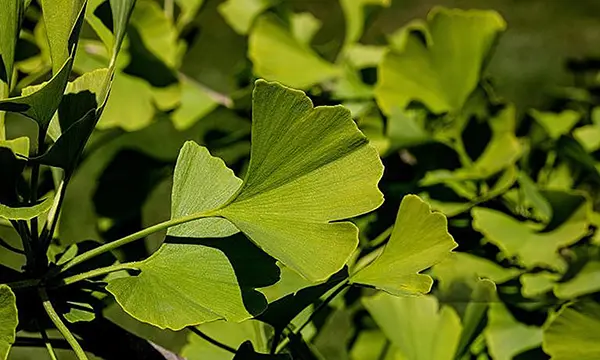
Authentic low-temperature extraction verified by HPLC to eliminate black rice or amaranth adulterants.
European Bilberry Extract Factories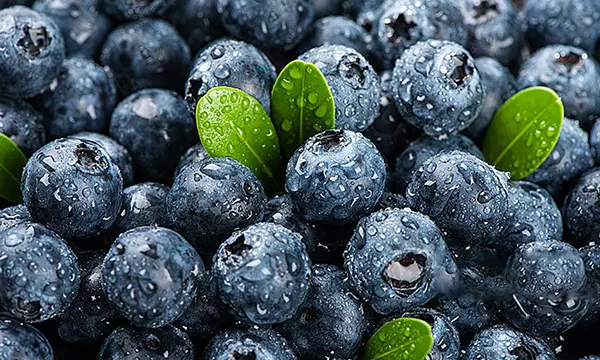
Pure lychee juice spray-dried powder delivering natural aroma, sweet organoleptic balance, and vitamin C for RTDs.
Litchi Powder Exporter
Nutrient-dense North American cranberry powder concentrated to inhibit microbial adherence in female wellness formulas.
Cranberry Powder Exporter
Ultra-fine fruit powder rich in natural polyphenol pigments, perfect for chewables, meal replacements, and gummy applications.
Blueberry Powder Suppliers
Vacuum freeze-dried Rubus idaeus powder maintaining natural tart flavor, vibrant ruby red hue, and antioxidant activity.
Raspberry Powder Supplier
Tailored mesh sizes, extract ratios, and customized assay standardization engineered precisely around your finished product specifications.
Customized Service & SpecsInitiate Supplier Qualification & Laboratory Audit
Partner directly with a scientifically validated botanical extract supplier. Request comprehensive batch COAs, specification dossiers, third-party authentication assays, and pilot formulation samples.
No. 56 Tianhui Middle St, #B-1519, Hi-Tech Industrial Development Zone, Chengdu, Sichuan 610041, China.
Direct Telephony: +86-028-85333989 | WhatsApp Corporate Desk: +86 18010560414 | Inquiry Desk: [email protected]